

Physiological Demands During the Initial Healing Phase
Your body uses plasma weeping and a precise inflammatory response to trap ink particles in the dermis during the first 48 hours. Alcohol acts as a vasodilator, widening your blood vessels and increasing this weeping, which pushes the ink out before your skin cells settle around it.
When clients ask if they can drink after getting a tattoo, they should remember that epithelialisation needs a stable internal environment to succeed. Systemic dehydration from ethanol also compromises your skin elasticity, making that essential protective scab crack open prematurely.
Trust me, you want to avoid that cracking because it exposes the raw tattoo to bacteria and leads to patchy, faded results.
Professional Guidelines for Safe Tattoo Recovery
The mandatory abstinence period recommended by every reputable artist is at least two full days post-procedure. This timeline allows your tattoo to reach the initial sealing stage of healing, where the risk of bleeding and ink displacement drops significantly.
Whenever a client asks can you drink after getting a tattoo, you will notice your artist emphasizes hydration and sleep hygiene instead, because your immune system needs all its resources to fight potential pathogens.
Cognitive impairment from a night out leads to skipping cleaning cycles or forgetting to apply your prescribed barrier-protecting ointment. Protecting your investment means giving your body a clean, uninterrupted environment to complete its work.
1. Blood Thinning Effects — How Alcohol Slows Clotting
Ever wondered why a fresh tattoo bleeds more if you had a drink beforehand? That is your body’s platelet aggregation getting a bit lazy. Alcohol makes these tiny cell fragments less sticky, so they form the initial plug slower than normal.
Your liver also produces the proteins that build a stable clot, and alcohol interferes with that production. This means the wound stays open longer, which washes out ink and complicates the timeline.
When people search for information on can you drink after getting a tattoo, they discover this biological fact matters the most. Your priority should be following a solid new tattoo aftercare guide to support proper clotting.
Stick to water, feel proud of your healing art, and let your body do its best work.
2. Dehydration and Skin Elasticity — The Moisture Connection
Have you ever noticed how your skin feels tight and papery after a long day without enough water? That is your body giving you a direct signal about skin elasticity. Think of your skin like a sponge, because when it is full of water it bounces back easily.
Your skin cells rely on internal hydration to stay firm, and the extracellular matrix needs water to support its structure. Dehydration makes collagen fibers rigid and less functional during the recovery phase.
Understanding if you can drink after getting a tattoo starts with recognizing how moisture loss directly impacts your healing tissue. Keeping your hydration levels up directly supports your skin resilience.
I love this simple test because it shows you a clear picture. Trust me on this one, your future self will thank you for that extra glass of water.
3. Healing Pace Reduction — Why Your Body Needs Focus
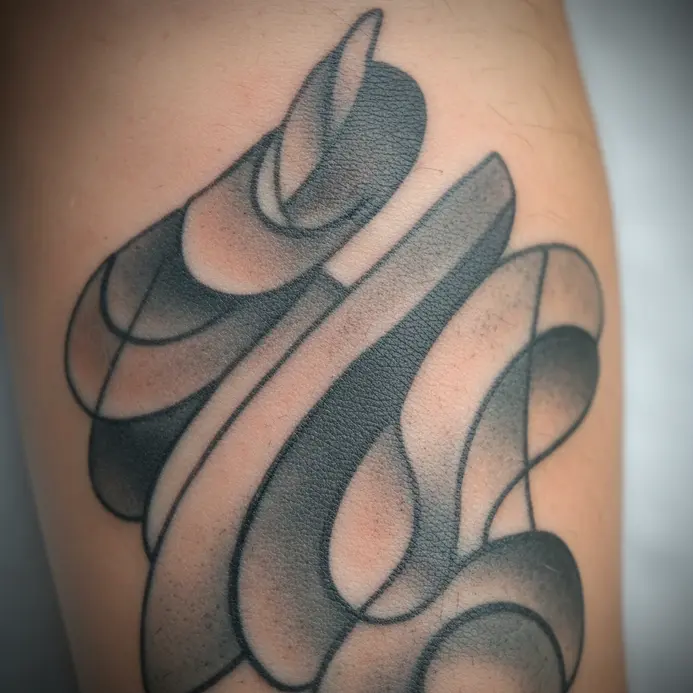
Ever feel like your body is slowing down after a long session? After a tattoo, your skin needs to be the number one priority for your immune system. Think of healing as a massive, resource-heavy construction project that requires full attention.
Your body has to allocate proteins, vitamins, and energy to rebuild that specific area. This is why chronic inflammation or poor sleep can drag the process out for weeks.
The question regarding whether you can drink after getting a tattoo ultimately comes down to giving your cells the focus they need. I always tell friends that your skin shows your internal health.
So before your session, ask your artist about tattoo pain levels by placement to manage expectations. Give it the focus it needs, and you will love the crisp, healed result.
4. Increased Infection Risks — Compromising Your Immune Defense
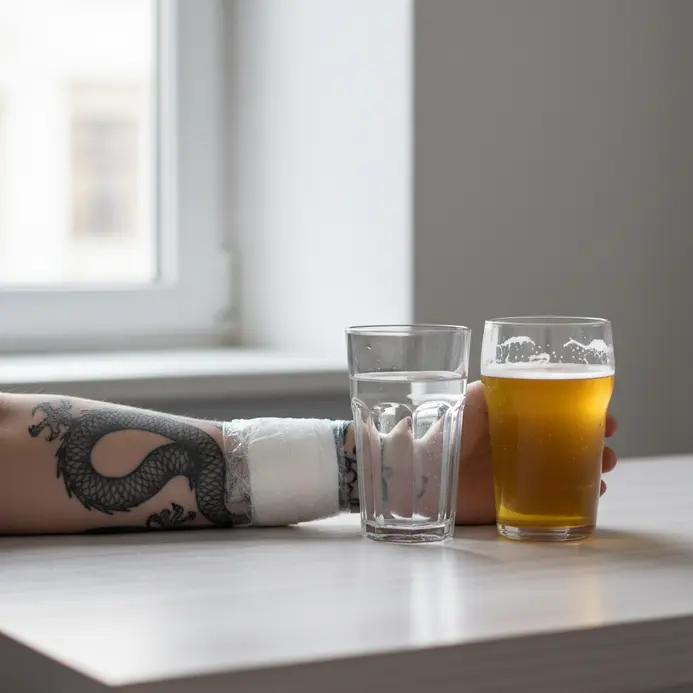
Here is something that might surprise you about open wound care. When you get fresh ink, your body defenses are already working overtime to seal that surface.
This temporary weakening creates a vulnerable window for outside threats. Even a moderate amount of ethanol slows down the recovery timeline and significantly raises your risk of bacterial invasion.
Anyone exploring if you can drink after getting a tattoo needs to realize that protecting your skin means avoiding that temporary immune suppression. A clear head helps you remember your cleaning cycles and daily maintenance steps.
Trust me, avoiding that risk keeps you safe. Taking care of yourself feels fantastic and protects your beautiful new art.
5. Excessive Plasma Weeping — Managing the Initial Ooze
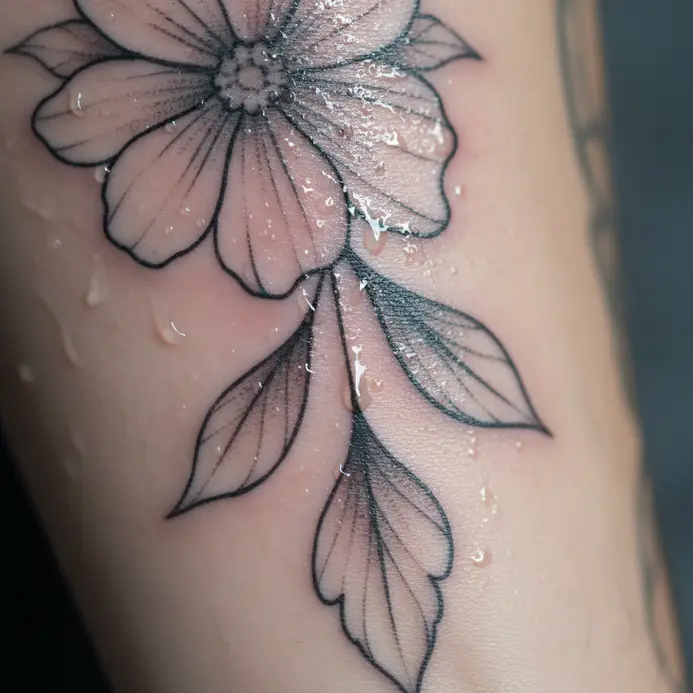
Ever notice your new tattoo looks wet and shiny the first few days? That is a sign your body is working hard, because this clear fluid carries healing proteins and white blood cells.
The trouble starts when you experience too much fluid on the surface. If you change bandages every hour or see skin turning white, that is excessive weeping. You want to avoid maceration, which breaks down tissue.
Keeping that fluid under control directly answers whether you can drink after getting a tattoo without compromising your results. Gently dab the area with a clean cloth and let it air dry before applying a thin layer of ointment.
Do not smother it. This simple step controls the flow and protects your surrounding skin, leaving you feeling at ease once everything settles.
6. Pain Perception Awareness — Feeling More Than You Should
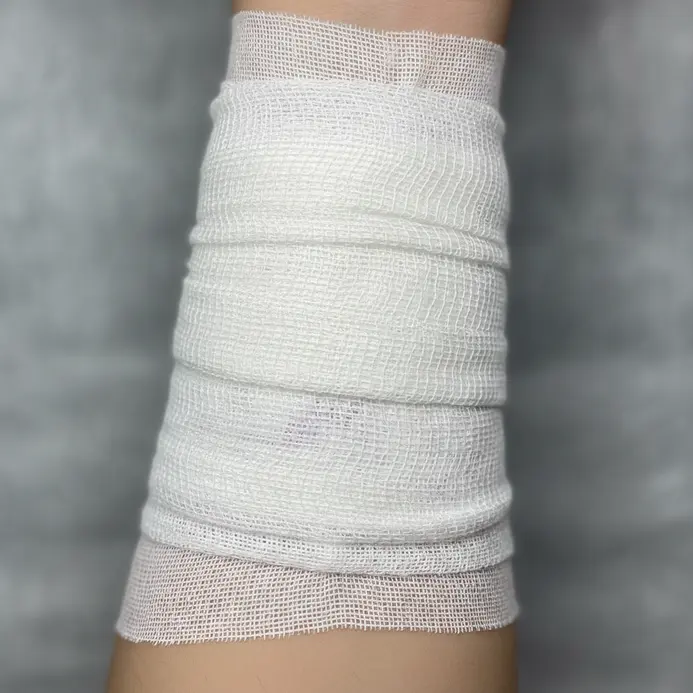
Ever wonder why your tattoo feels extra sensitive days after the session? That is your pain perception system in overdrive. Your central nervous system becomes hypersensitive and amplifies signals so light touch feels uncomfortable.
Your brain integrates the physical sensation with your emotional state and stress levels, which heights what you actually feel. Knowing this helps you manage discomfort during the recovery phase.
The reality about asking if you can drink after getting a tattoo ties into this biological awareness, as chemical intake alters how those nerve signals register. Trust me, recognizing this as a normal part of the process makes the journey manageable.
You have got the right mindset, and your body will reward that focus.
7. Aftercare Routine Adherence — The Importance of Consistency
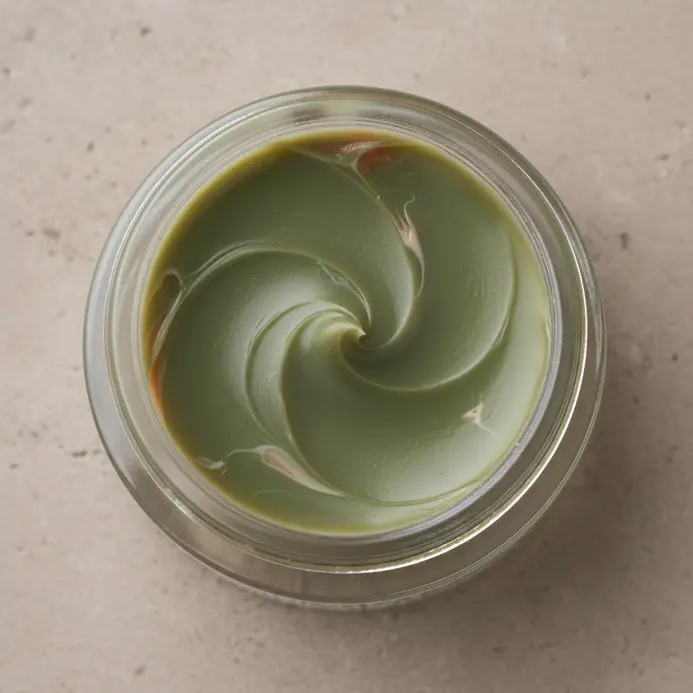
Ever consider skipping your routine after the first few days? That idea creates the biggest setback for recovering skin. Your healing journey depends on you acting as a consistent caretaker from start to finish.
This means sticking to the cleaning schedule your artist gave you, applying topical creams as directed, and avoiding direct sun exposure. It takes effort, but steady support helps your skin rebuild properly.
Anyone wondering if you can drink after getting a tattoo should remember that skipping steps to celebrate often costs you that crisp finish. Regular care prevents complications like scarring and ensures your design looks sharp for years.
It protects your investment of time, money, and personal art, giving you full confidence in your progress.
8. Recommended Waiting Periods — Giving Your Body Time
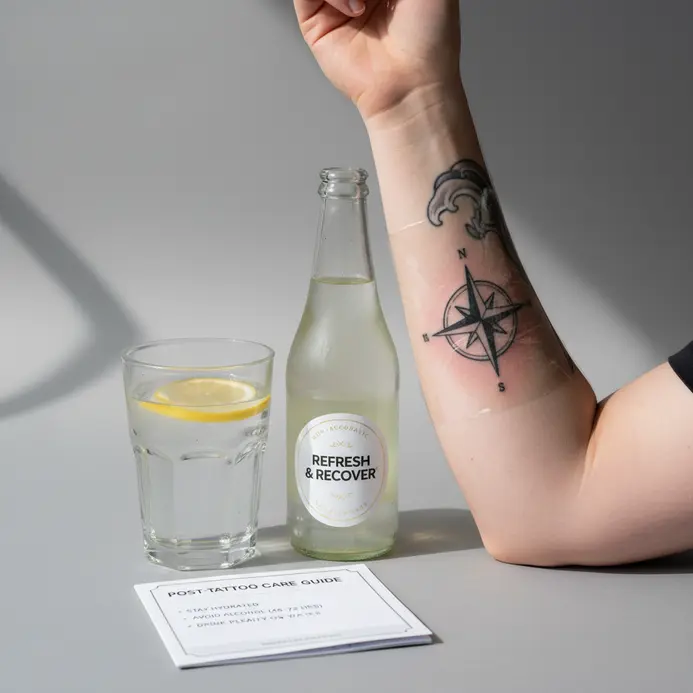
Ever feel ready to jump back into your normal schedule the next morning? Your skin asks for more patience than you initially expect. Think of it like recovering from a minor procedure where your immune system needs to seal everything shut.
For alcohol, the standard advice points to at least 48 hours of rest. Many professionals suggest a full week because ethanol thins your blood and increases swelling early on.
When mapping your calendar to decide if you can drink after getting a tattoo, respect these recommended wait times so your healing timeline stays on track. This same principle applies when booking future appointments.
A proper plan tattoo session timing allows one piece to settle before you add another. Your skin appreciates that patience, and your finished art looks sharper for it.
9. Painkiller Interaction Warnings — A Dangerous Combination
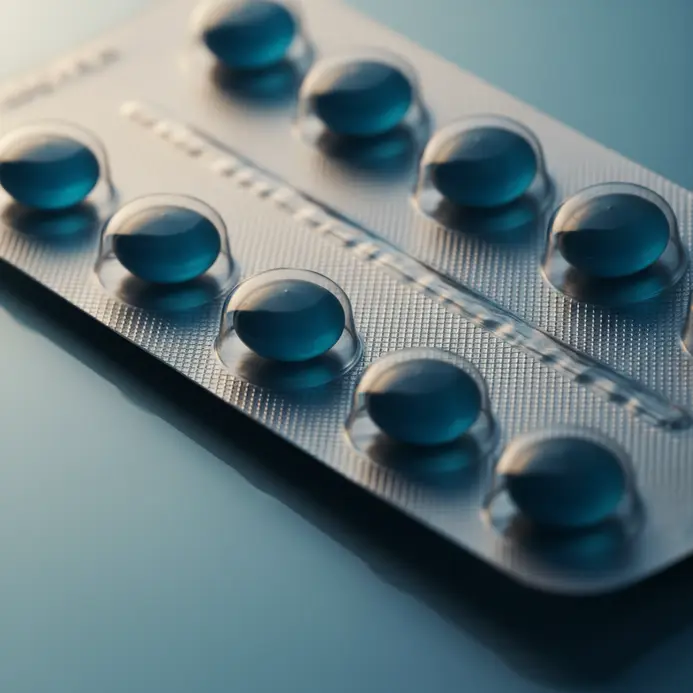
Ever asked why your pharmacist questions your other medications? Those conversations prevent simple recoveries from turning into medical emergencies. Mixing substances without caution poses serious health threats during skin recovery.
Certain opioid painkillers amplify depressant effects when combined with alcohol or anxiety medications. The result slows your breathing and heart rate to uncomfortable levels.
Understanding if you can drink after getting a tattoo requires checking those medication interactions first, especially when using prescription relief. Your safety during this phase is paramount.
For more specific health considerations, like tattooing over scars information, always consult your artist and medical team. Healing safely feels the best.
10. Sleep Quality Importance — Letting Your Body Repair
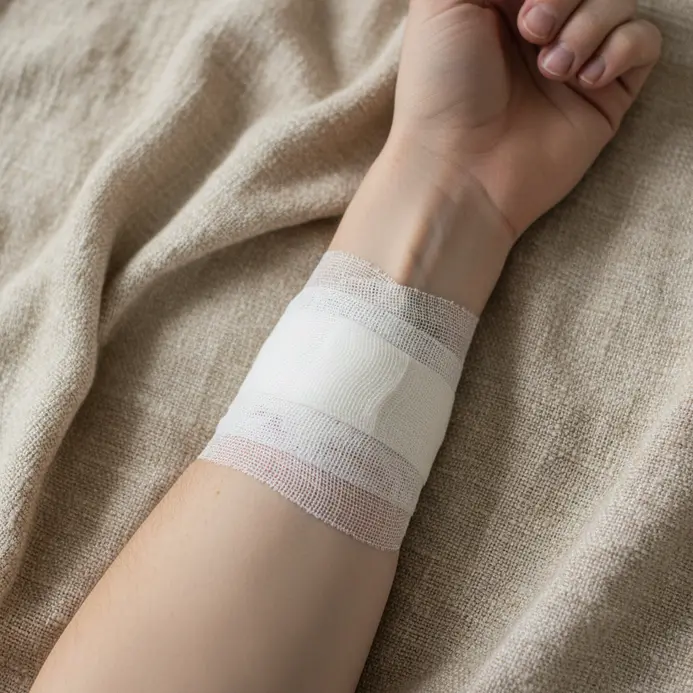
Ever feel completely wiped out after sitting in the studio chair? Your body runs a heavy internal workload during those recovery days. Logging hours in bed matters less than capturing those deep restorative cycles.
This schedule triggers cellular and tissue repair at maximum capacity. Growth hormone floods your system to rebuild skin layers, while your defense network produces protective proteins.
Anyone researching if you can drink after getting a tattoo should know that prioritizing sleep gives those overnight crews the perfect environment. I tell everyone to treat rest as a mandatory aftercare step.
Skimping on shut-eye slows progress and dulls the final appearance. Give yourself permission to secure those uninterrupted nights, and your fresh design will reflect that dedication.
Managing Infection Symptoms After Accidental Consumption
If you accidentally broke your routine, your immediate response should focus on sterile cleaning with mild soap. Watch closely for signs like spreading heat or unusual discharge that signals trouble.
Contact your artist right away and share your exact symptoms to decide on the next step. Understanding if you can drink after getting a tattoo ultimately comes down to watching how your body reacts and adjusting your care routine quickly. Keep the area dry and skip extra products while your system clears the ethanol.
Conclusion
Getting fresh ink represents a lasting commitment to personal art, and protecting that piece involves simple daily choices. The entire conversation around recovery focuses on keeping your skin stable while the dermis locks in every color and line.
Your body performs heavy repair work that demands steady hydration, clean routines, and focused rest. The final answer about when you can drink after getting a tattoo depends on giving those first few days uninterrupted attention. Celebrate your new art only when your skin feels fully settled, and that patience guarantees a vibrant result for years.
FAQs
Q: What happens if I have one drink right after my tattoo?
A: Even a single drink thins your blood, which leads to more bleeding and oozing from the fresh site. This pushes out ink and slows the initial clotting process, potentially affecting how your design looks as it matures.
Q: How long should I wait before having a drink?
A: Most artists recommend waiting at least 48 hours, but a full week lets your immune system manage the initial phase without extra stress. Always follow the specific aftercare instructions your artist provides.
Q: Does alcohol make a new tattoo hurt more?
A: It can lower your pain tolerance once its initial effects wear off. The normal soreness and throbbing of a fresh wound feel more intense the next day.
Q: Can I take painkillers and drink after my tattoo?
A: No. Mixing alcohol with common over-the-counter pain relievers increases the risk of stomach bleeding and liver damage. It amplifies unwanted side effects during your recovery window.
Q: Will drinking ruin my tattoo’s appearance?
A: By slowing healing, increasing infection risk, and causing ink loss through excessive fluid, it compromises the final clarity. Your design retains better color saturation when you protect the healing environment.