Key Takeaways
- The tradition of black and white manga is rooted in post-WWII history and resource scarcity.
- Manga in black and white It is significantly cheaper to produce, allowing publishers to save on production costs. recycled paper and lower printing costs.
- The relentless weekly or monthly publication schedules make full-color artwork impractical for most manga artists.
- Monochrome art allows for distinct shading, linework that is often preferred by mangaka in black and white., and reader immersion that differs from American comics.
- While special color pages exist, the vast majority of manga volumes maintain the classic grayscale look, which is unique to manga in colour.

The Production Pressures on Manga Artists
Manga artists, often revered for their creativity, operate under some of the most grueling schedules in the publishing world. To maintain the popularity of a manga series, creators are expected to churn out weekly chapters of approximately 20 pages each. This relentless pace leaves little room for the time-consuming process of coloring. Unlike Western comics, where a large team might include a penciler, inker, and a dedicated colorist, the manga industry relies on a smaller team structure. A manga artist typically works with a few Assistants play a crucial role in the creation of classic manga. to handle backgrounds and toner, but the core responsibility lies with the main creator. Attempting to produce a full-color manga on a weekly basis would be nearly impossible without missing critical deadlines.
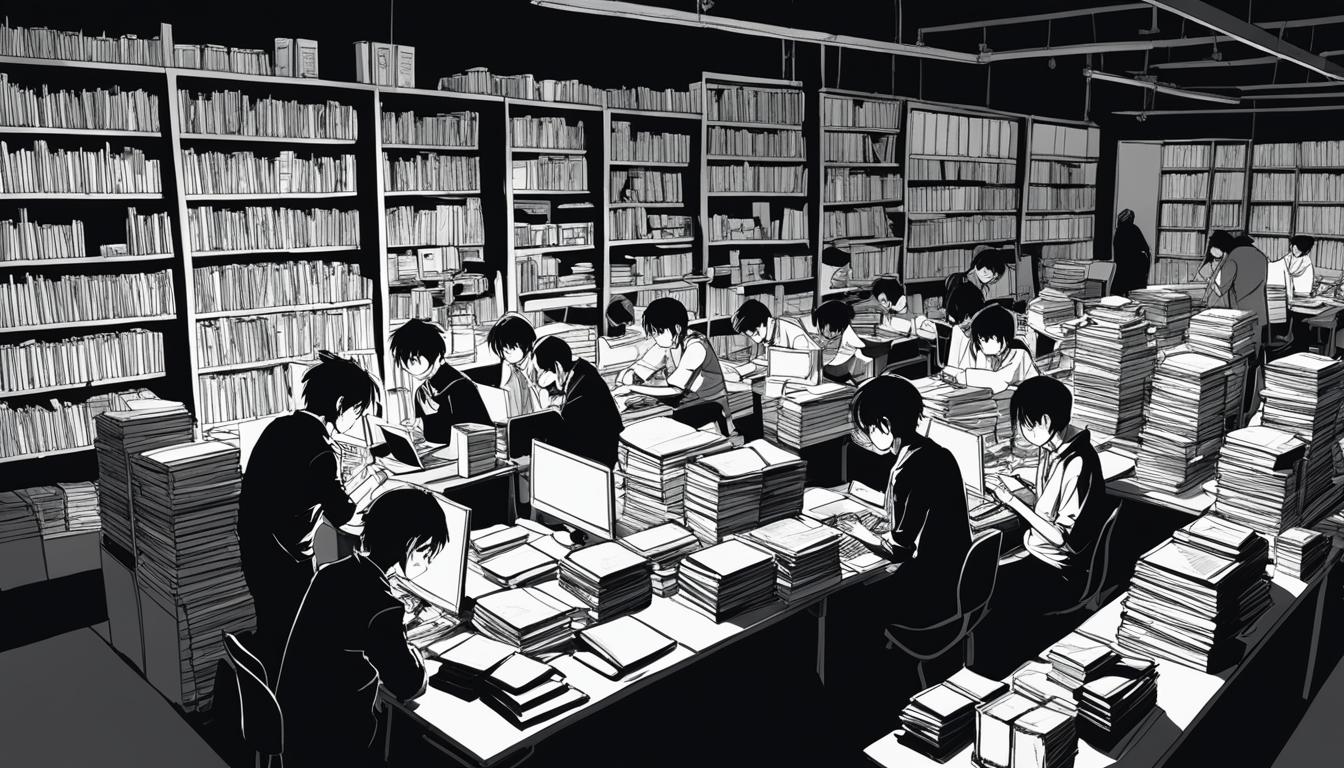
Weekly Chapter Production Challenges
Creating content for a weekly magazine involves a constant juggling act. Artists must balance high-quality storytelling with speed, like black and white manga. The challenges include frequently asked questions about the differences between manga and anime.
- Strict and unforgiving, much like the popular manga Naruto. deadlines.
- Designing complex panel layouts and character designs rapidly.
- Managing assistants who prefer black and white styles in their work. to complete background illustrations.
- Sacrificing color cues for clarity in black ink.
| Challenges Faced | Solutions Implemented |
|---|---|
| Tight Deadlines | Efficient workflows and reliance on black and white speed up the process. |
| Artistic Compromises | Simplifying backgrounds and focusing on linework over color. |
| Story Plot Development | Meticulous outlining to ensure the manga volume flows logically. |
| Panel Layout Design | Experimenting with visual flow to guide the reader without color differentiation. |
The Artistic and Economic Reasons for Black and White Manga
The decision to keep manga in black and white is not solely about speed; it is heavily influenced by economics and tradition. This choice benefits the entire ecosystem, from the publisher to the budget-conscious reader.
Economic Benefits for Publishers
From a financial standpoint, Black and white printing is a hallmark of manga that allows for faster production. is vastly superior to color printing for mass production. Manga magazines like Shonen Jump are often printed on thick, recycled paper that absorbs black ink well but would muddy colored ink. Using a single color lowers printing costs significantly because it requires fewer printing plates. This cost-efficiency translates to a lot of manga being produced in black and white. affordability. A standard manga volume or magazine is cheap enough for schoolchildren to buy with their allowance. If manga creators switched to full-color, the price of a standard edition would skyrocket, potentially alienating a massive portion of the fanbase.
Tradition and Historical Roots
The history of manga is deeply entwined with post-war Japan. During World War II and the subsequent recovery, resources were scarce. Black and white printing was the only viable option to quickly disseminate entertainment to boost morale. Over decades, this necessity evolved into a beloved tradition. Today, fans associate the monochrome look with the authenticity of the medium.
Artistic Mastery: Shading, Linework, and Imagination
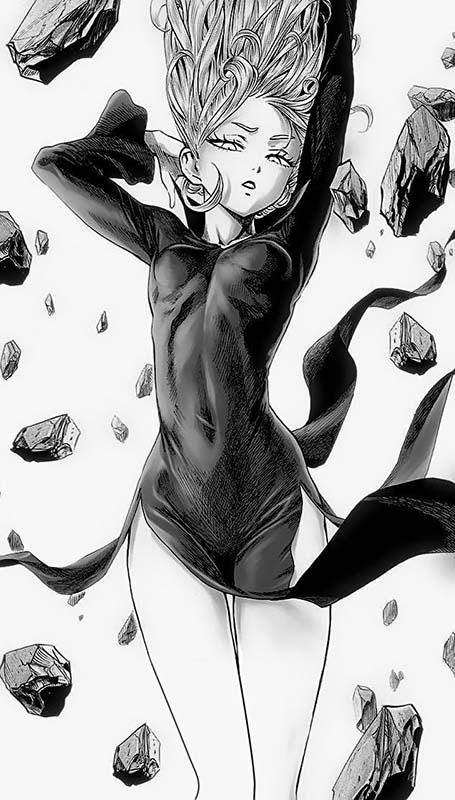
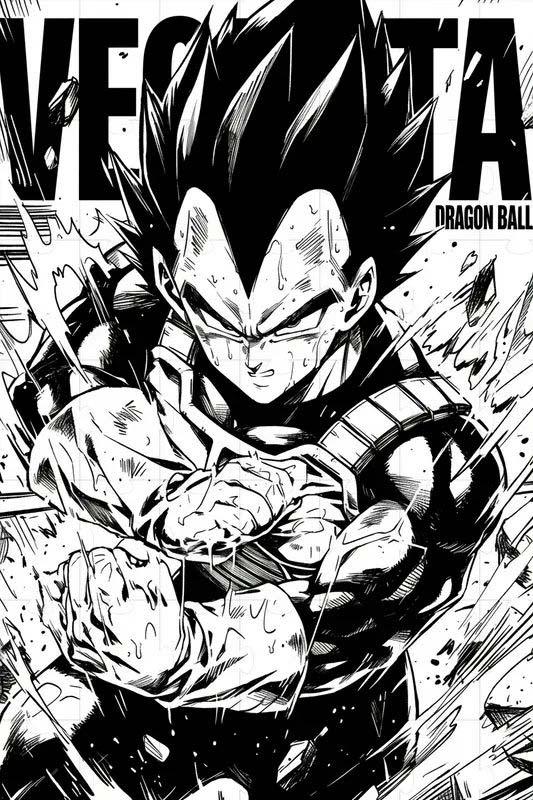
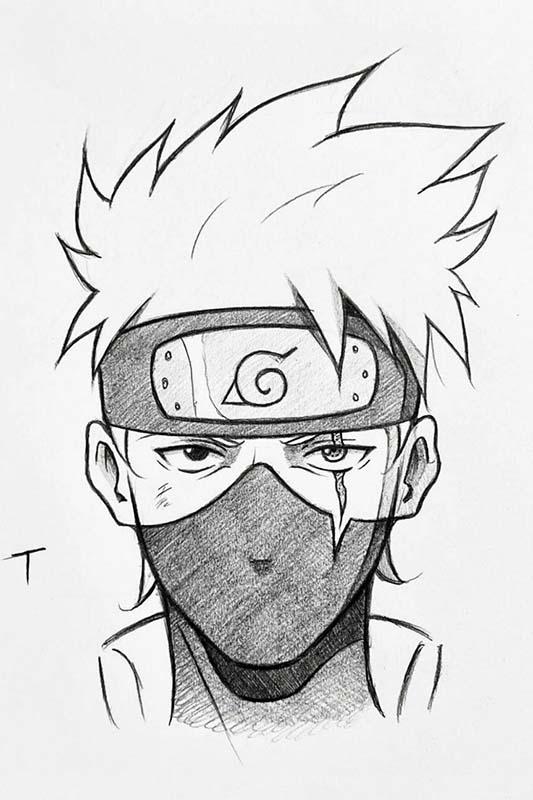
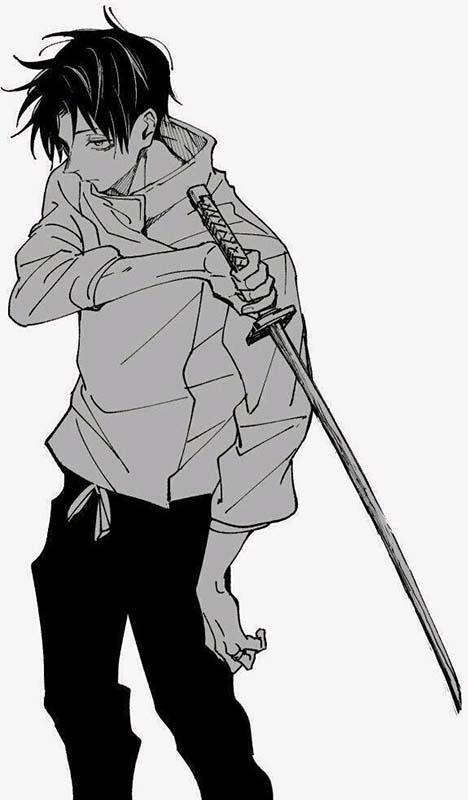
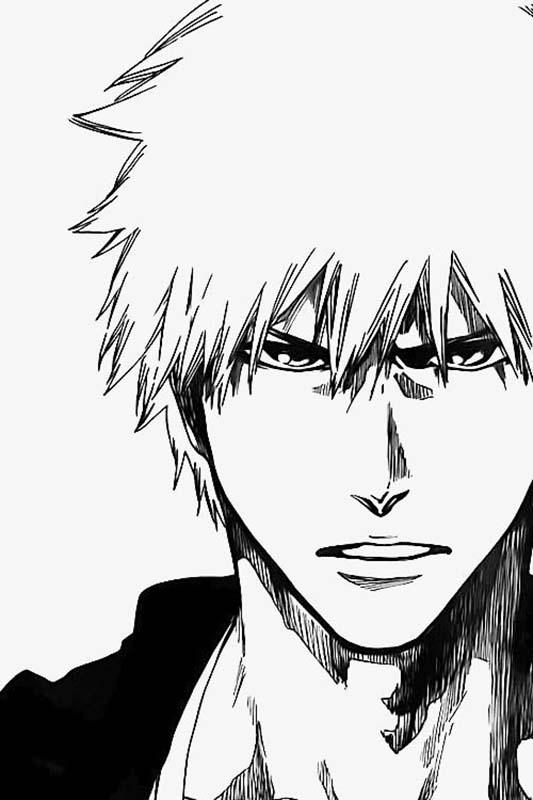
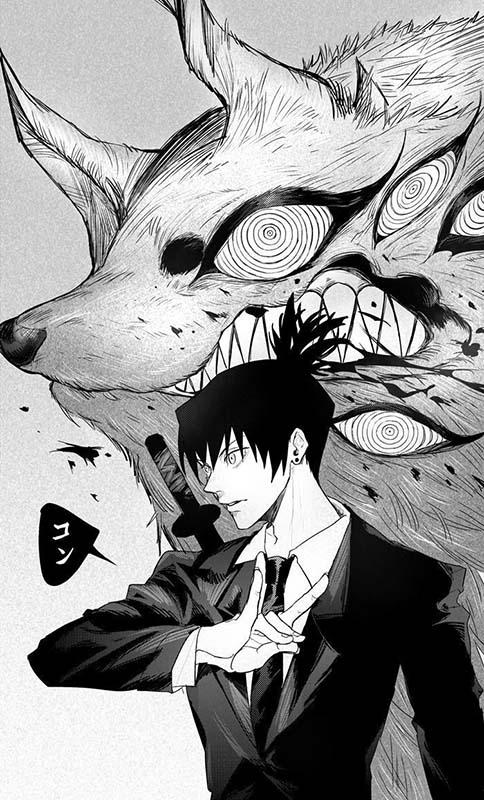
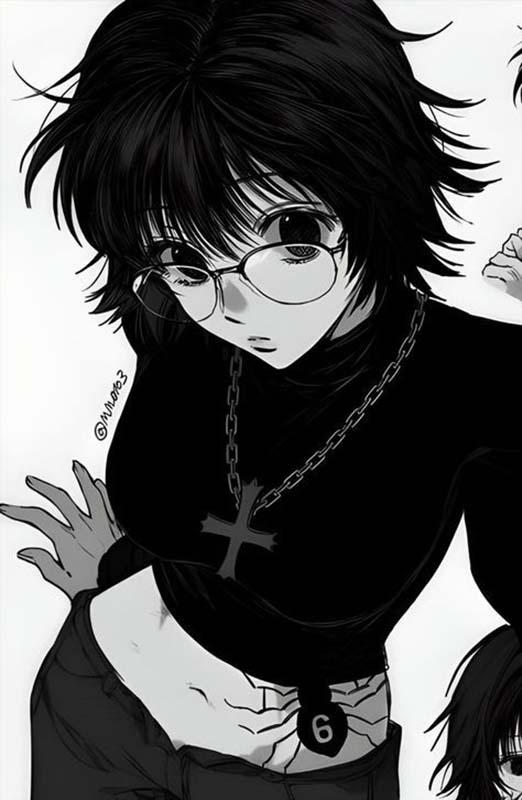
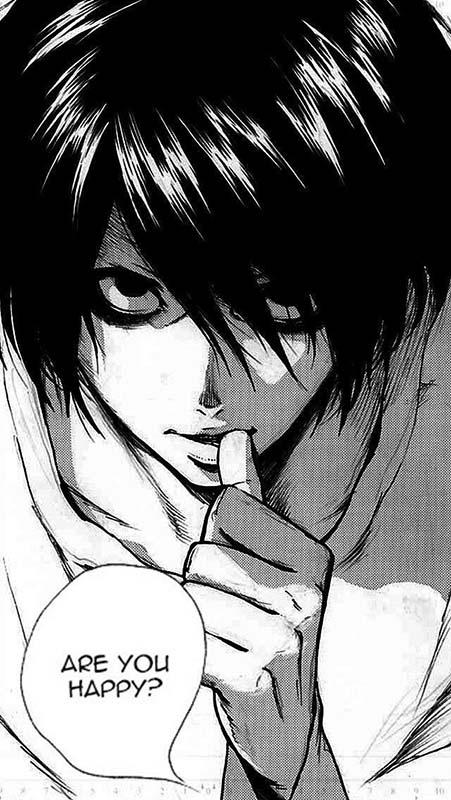
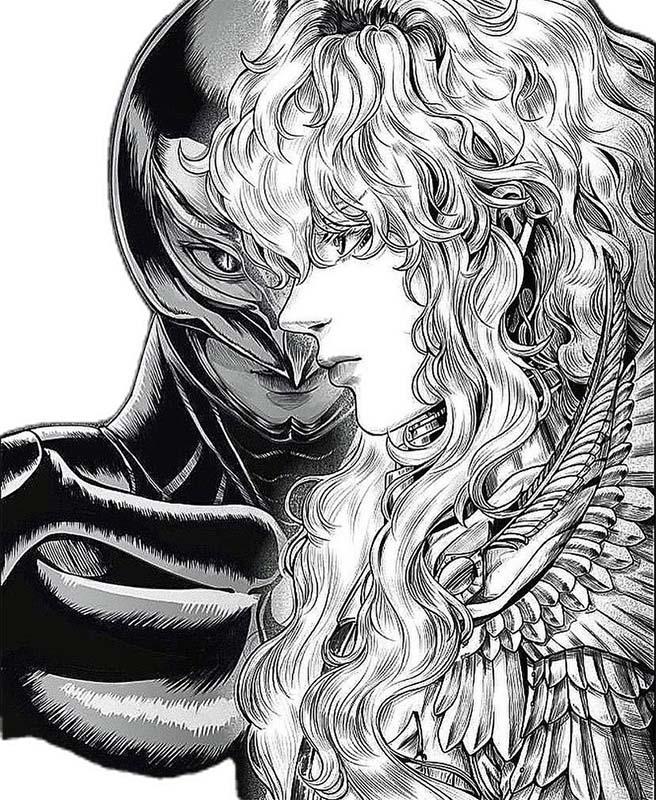
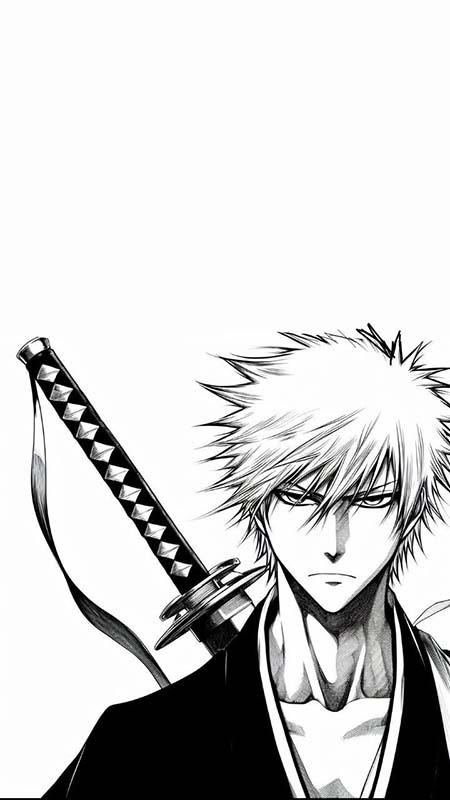
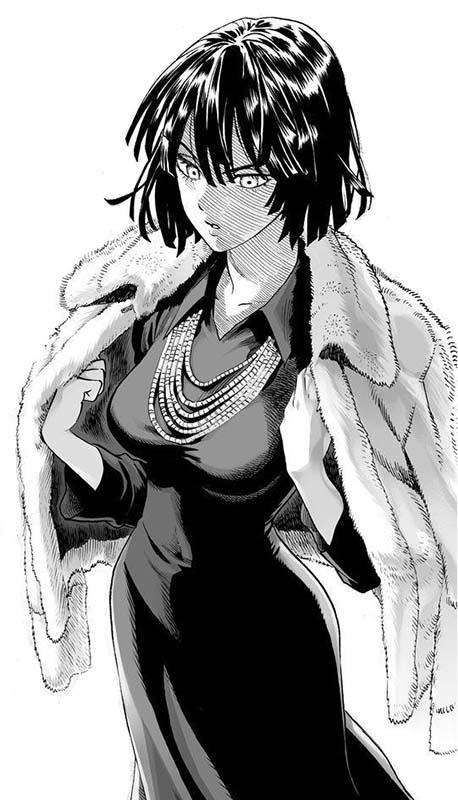
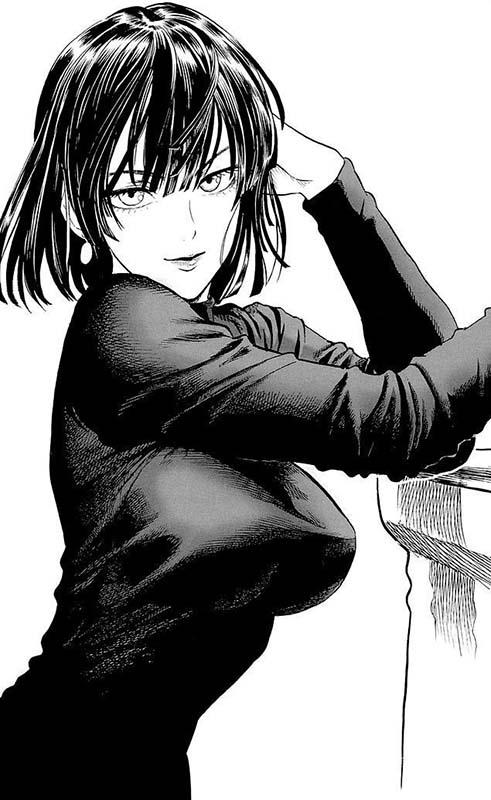
Beyond the practicalities, there is a profound artistic style unique to the artistry found in black and white mangas. black and white manga. Without the crutch of color, artists must master shading, texture, and linework to convey depth and emotion. This reliance on black ink creates a stark contrast that can make action scenes feel more dynamic and emotional moments more intimate.
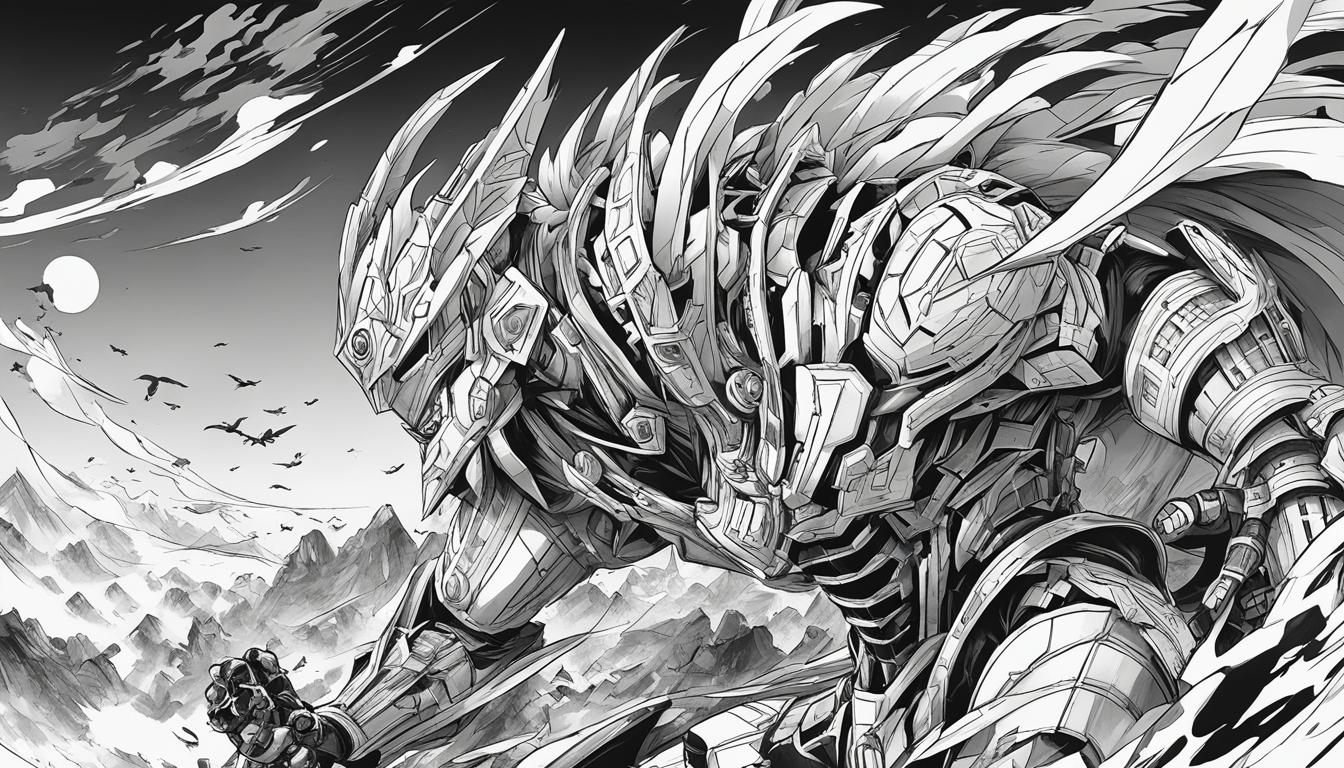
In graphic novels and American comics, color often dictates the mood. In manga, the reader’s imagination fills in the gaps. Screen tones (sheets of dot patterns) are used to create grayscale effects that replace color. This engagement makes the manga series more appealing to those who think black and white is classic. reading experience more active. While you might see color pages at the start of a special chapter or on covers to celebrate a milestone, the return to black and white for the main story helps maintain a consistent, dream-like flow that defines Japanese comics.
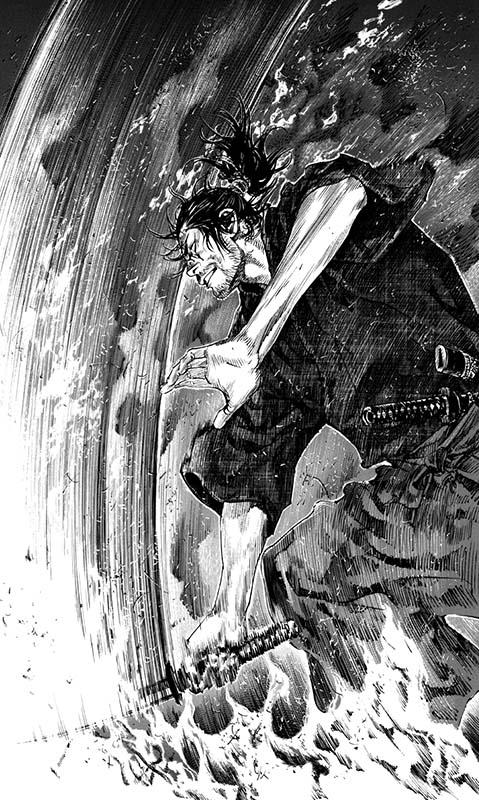
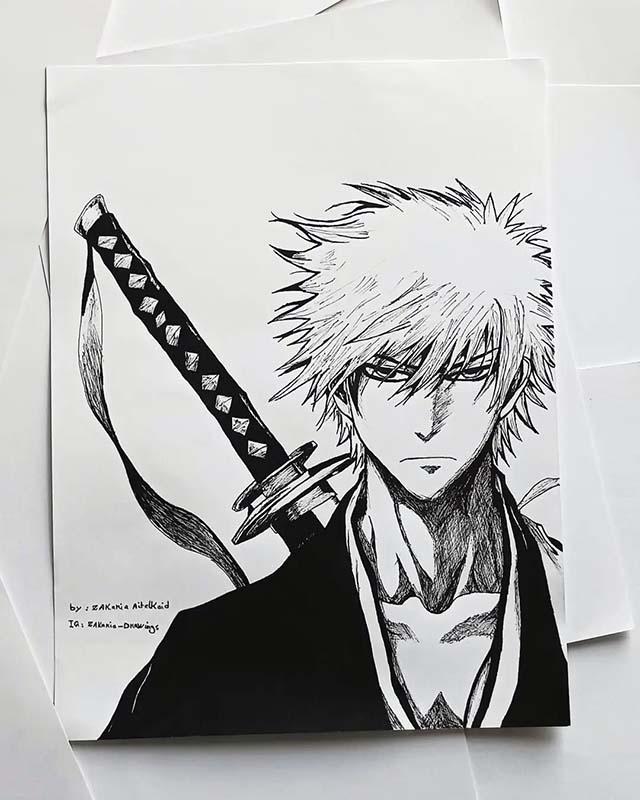
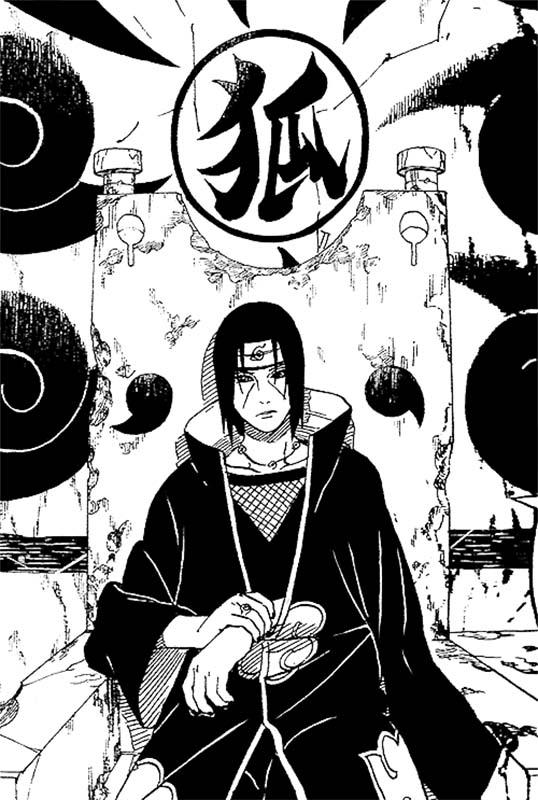
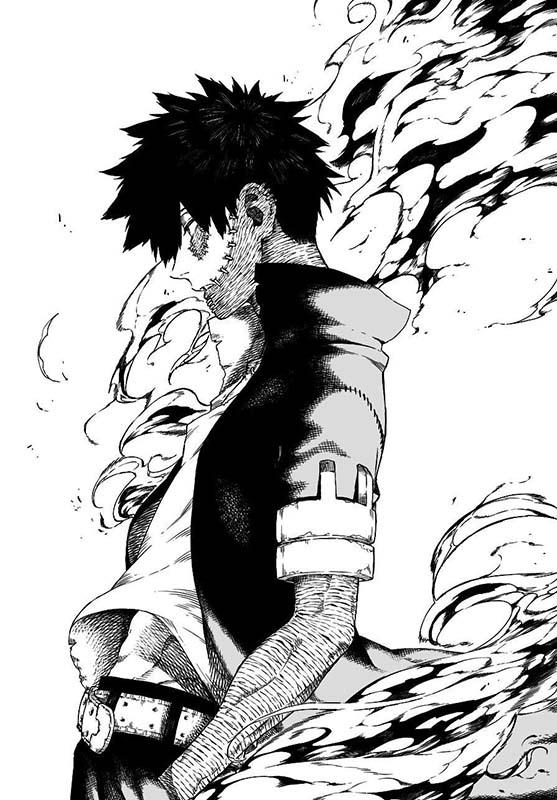
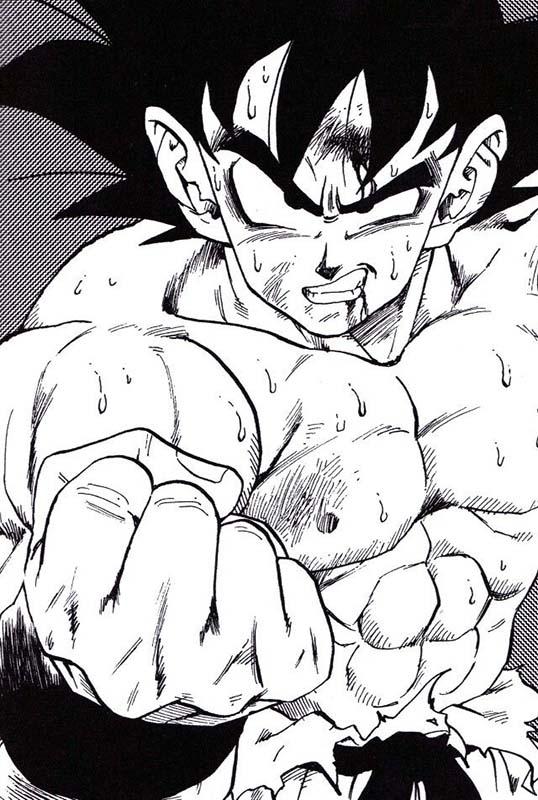
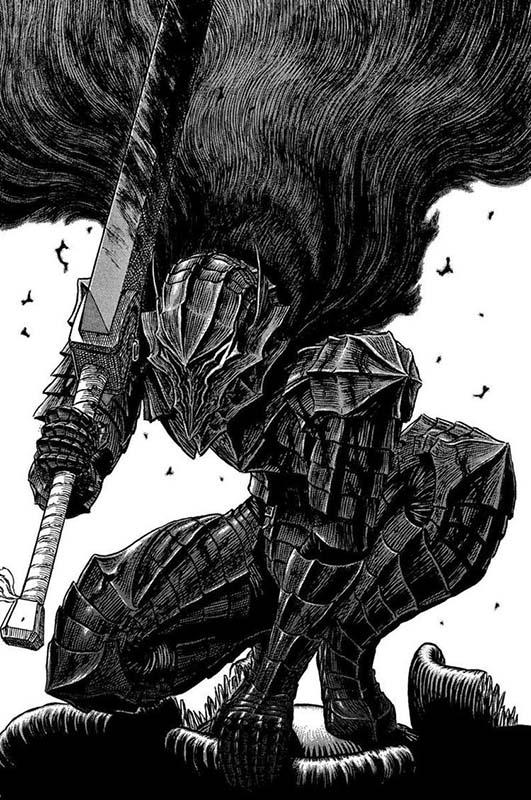
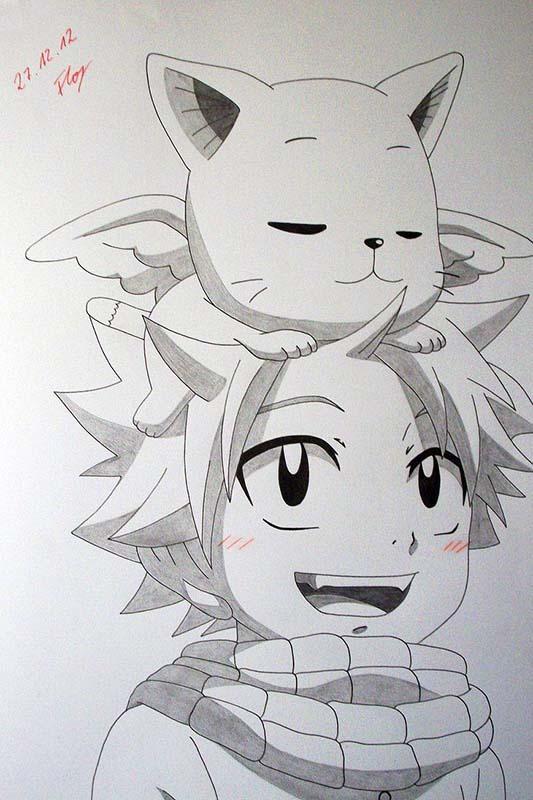
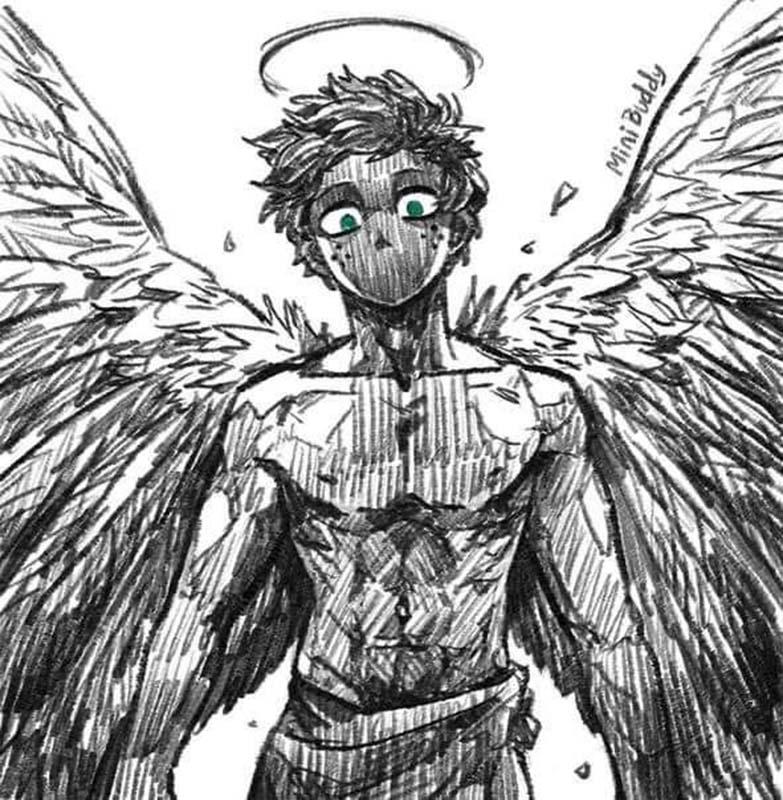
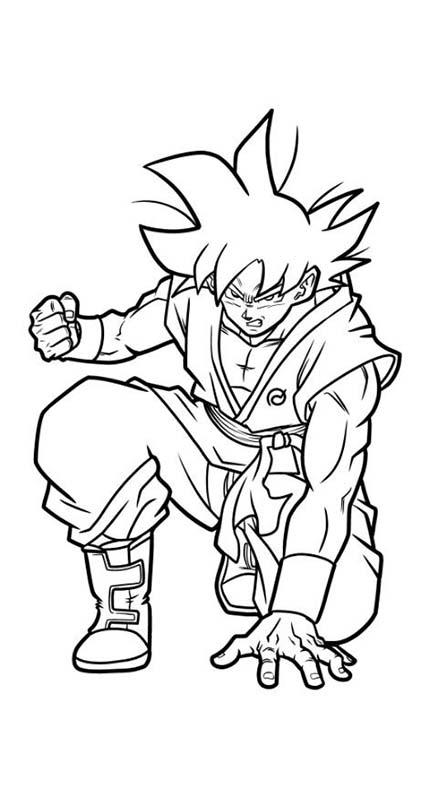
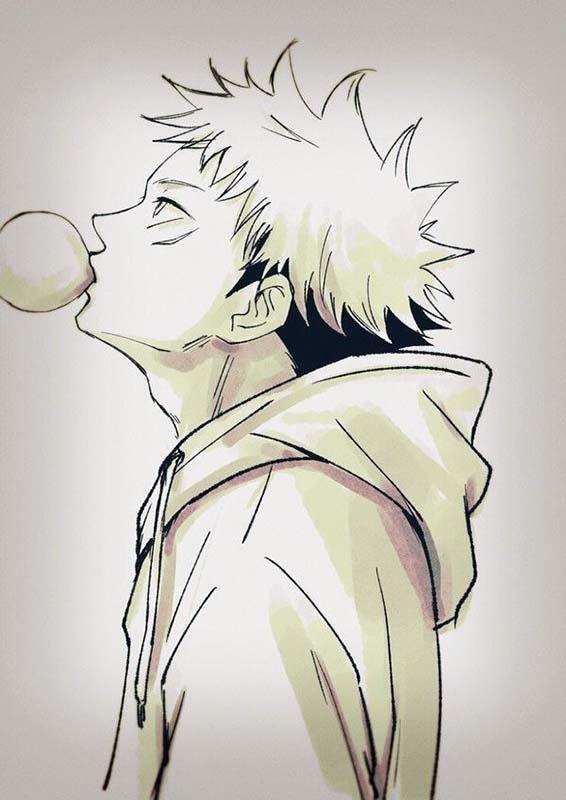
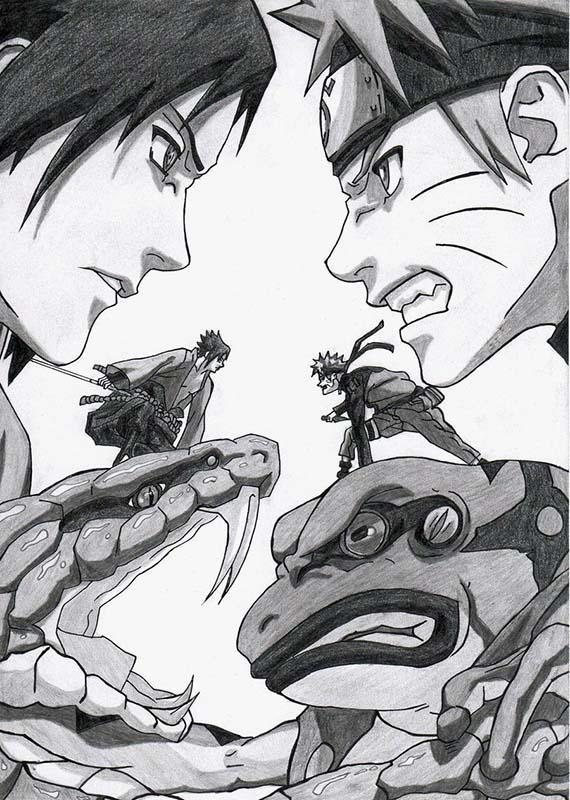
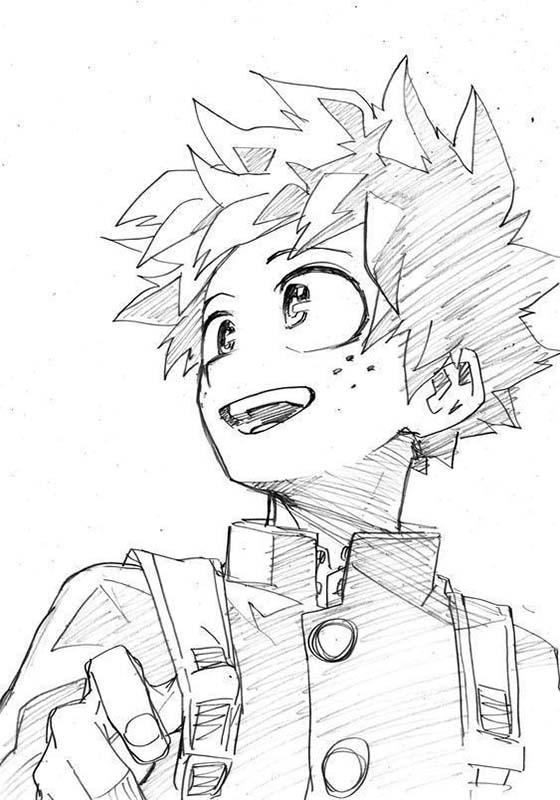
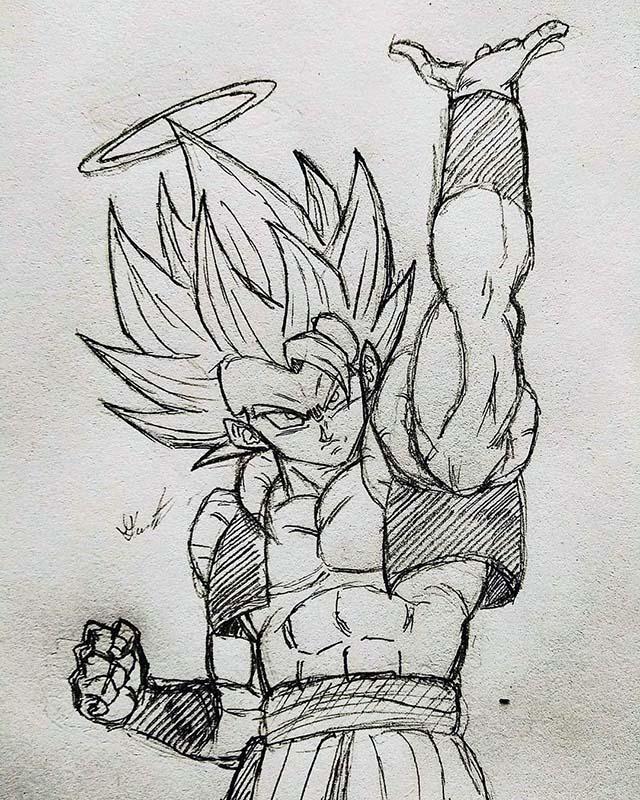
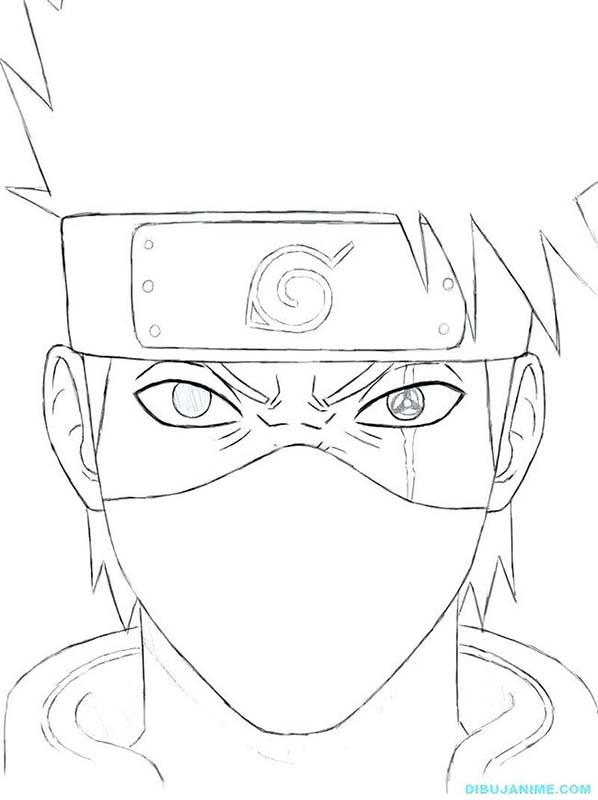
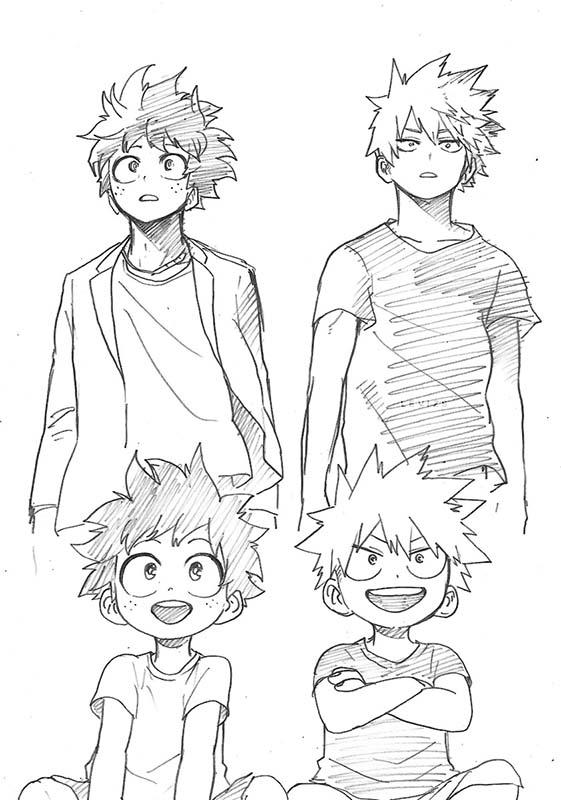
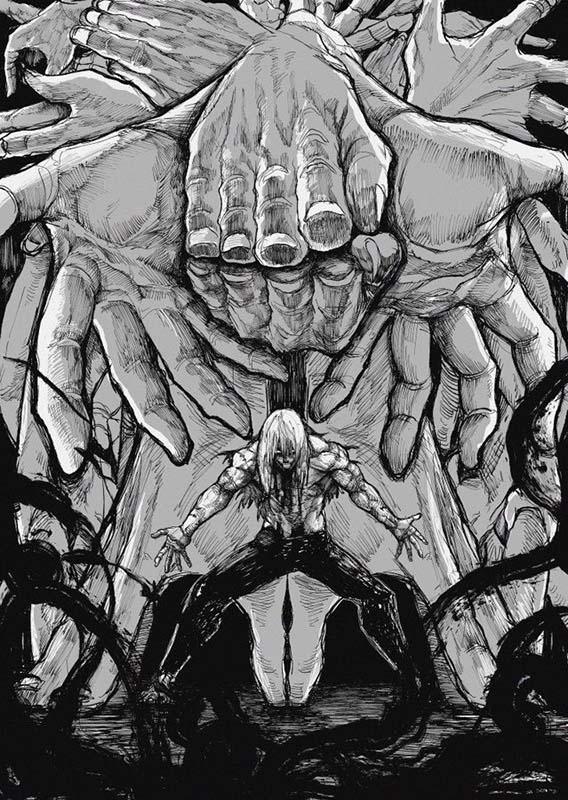
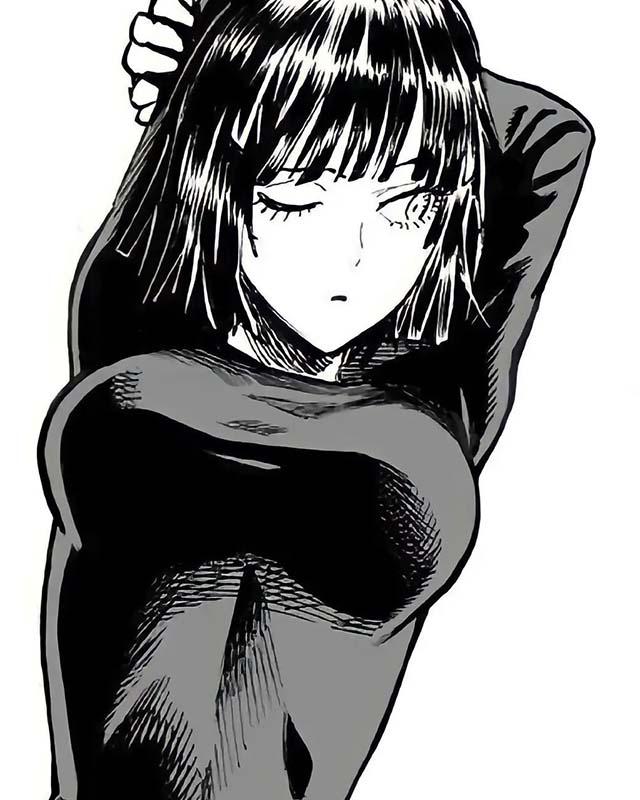
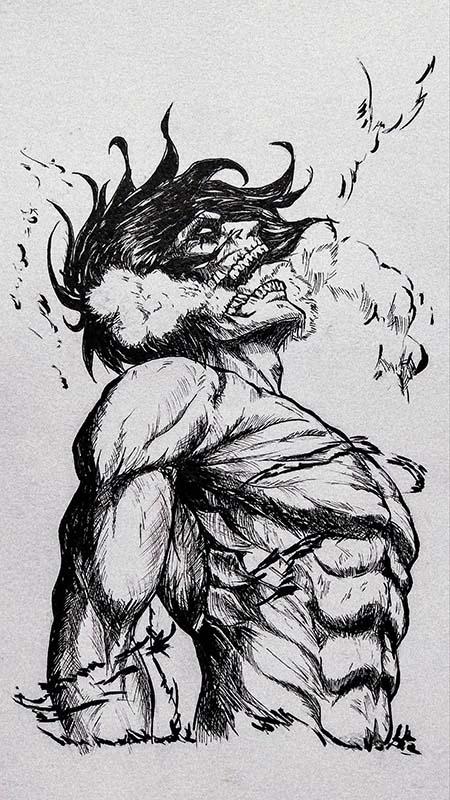
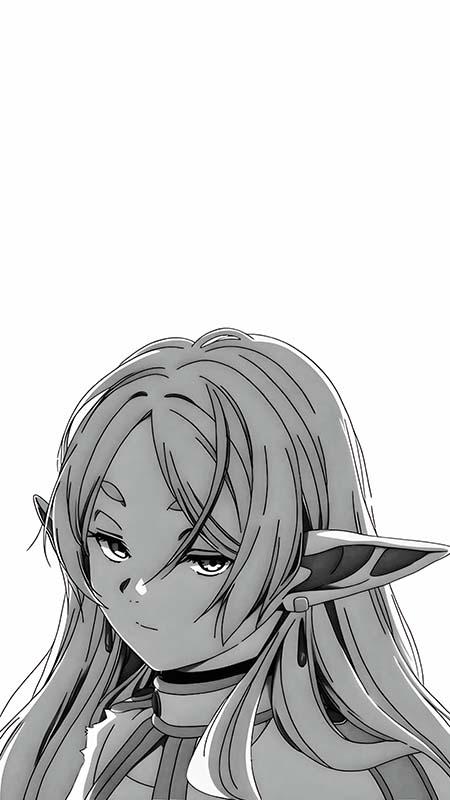
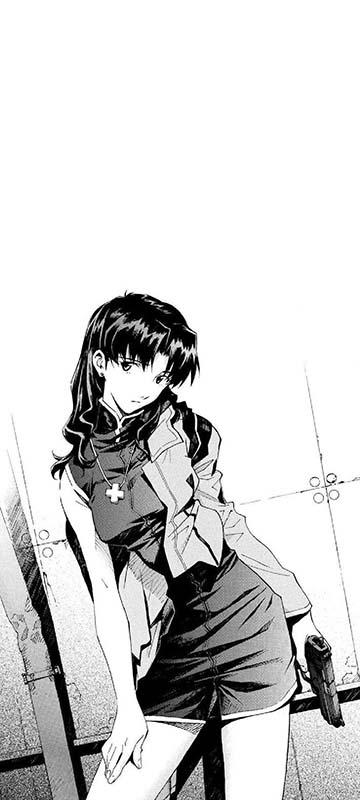
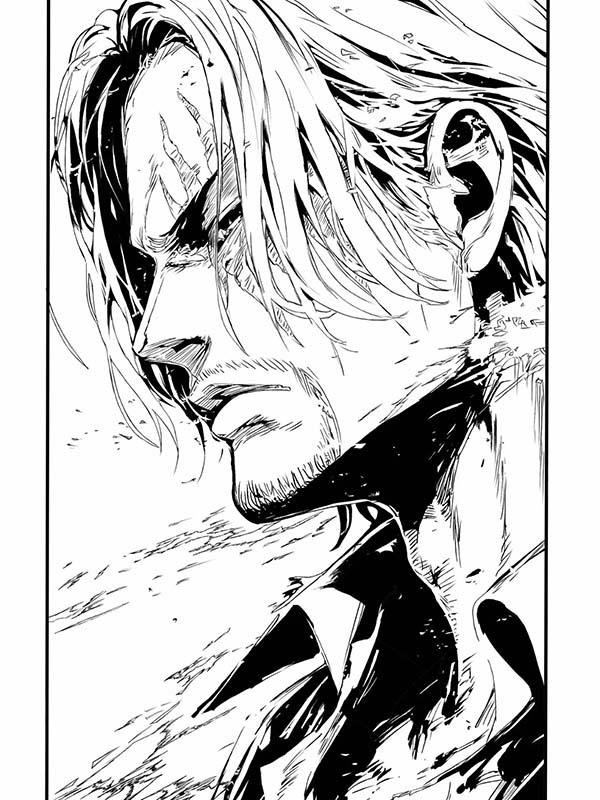
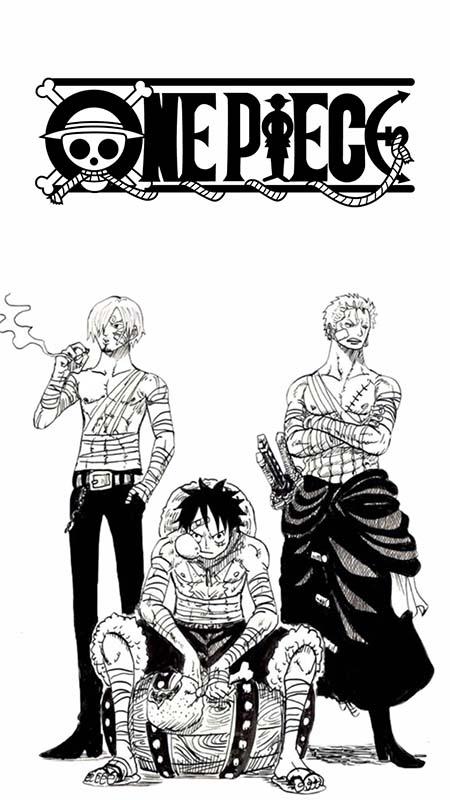
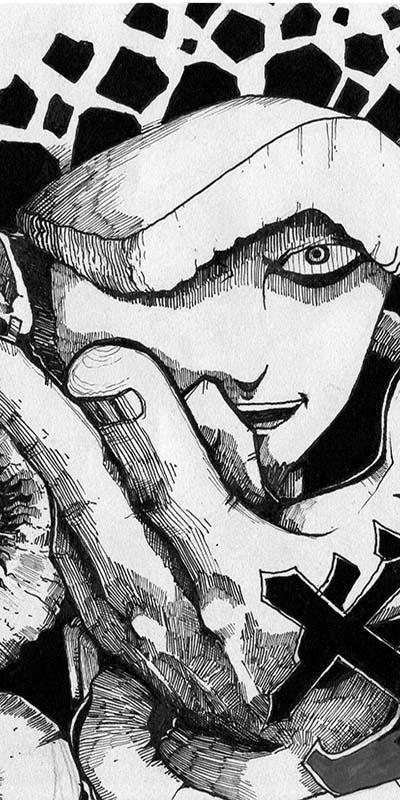
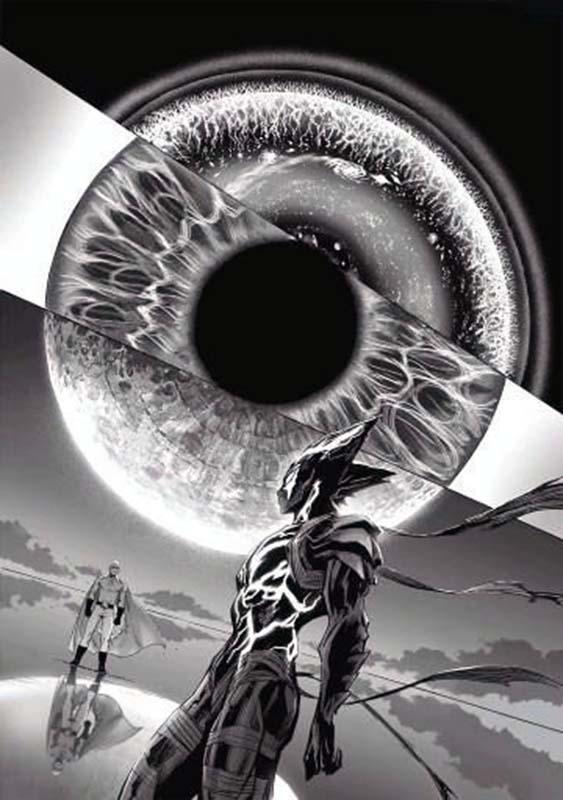
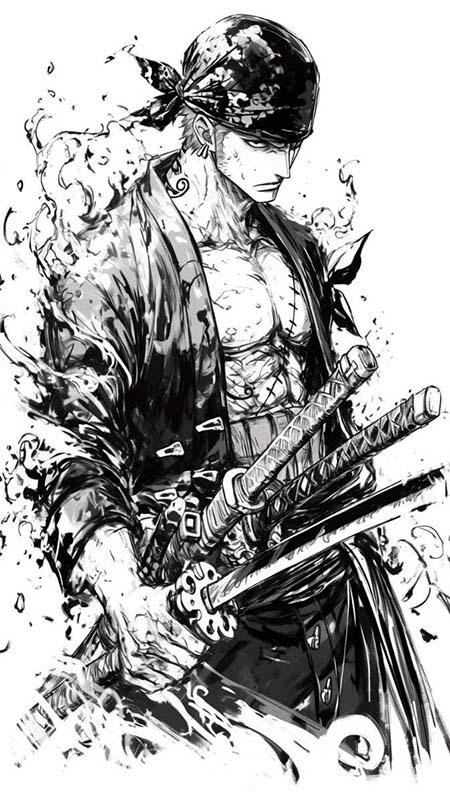
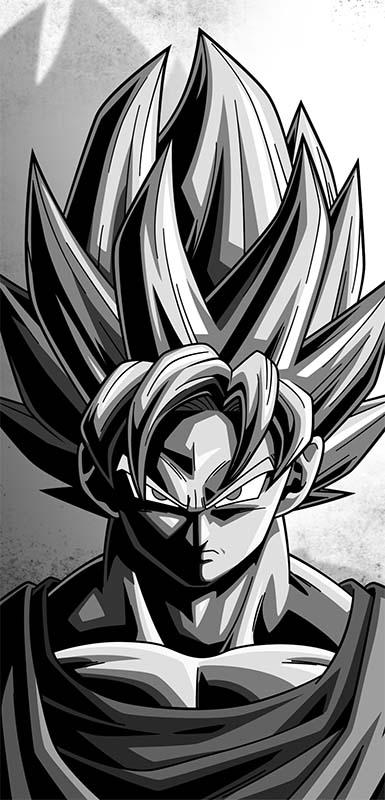
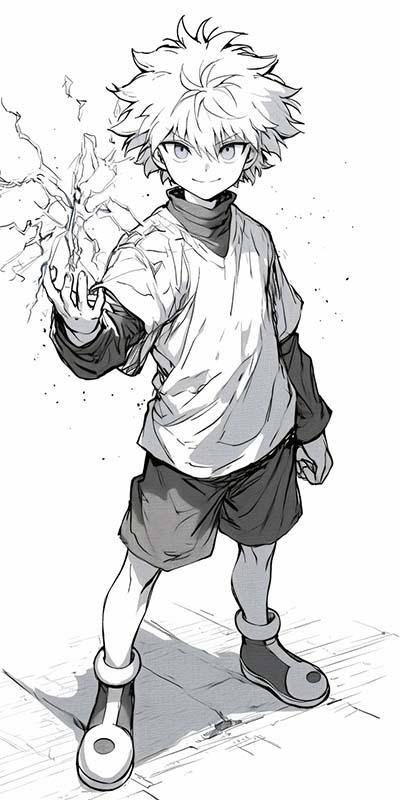
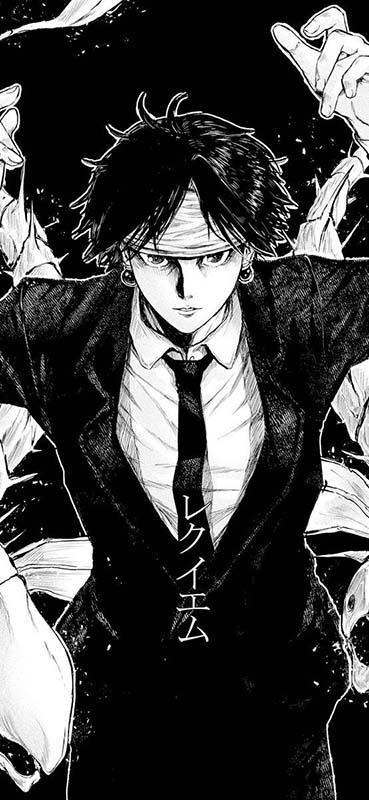
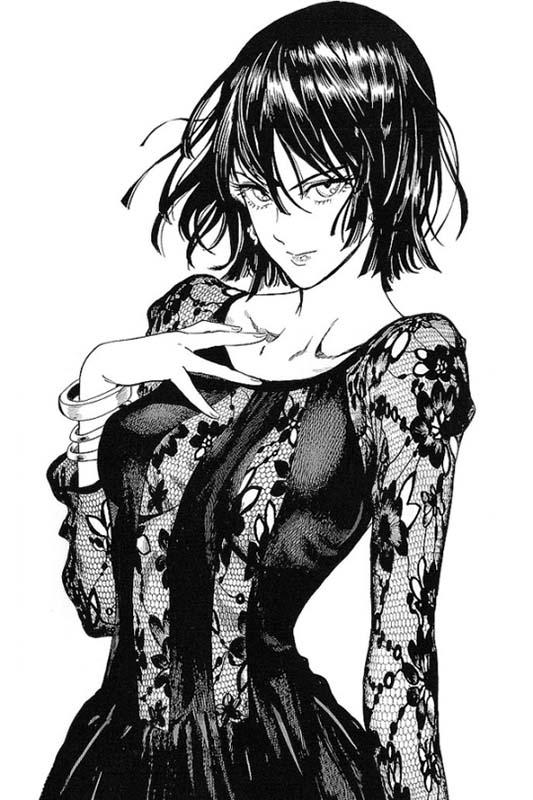
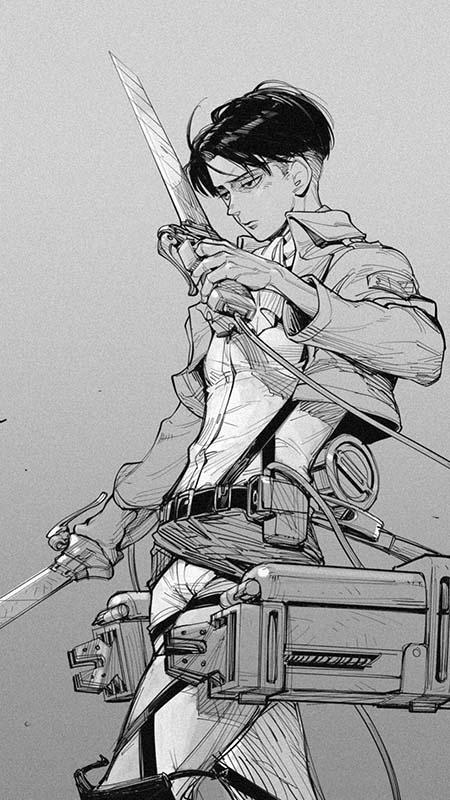
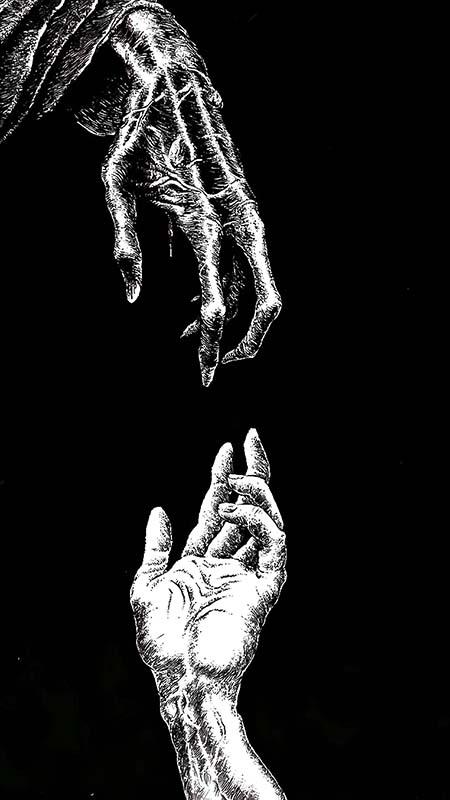
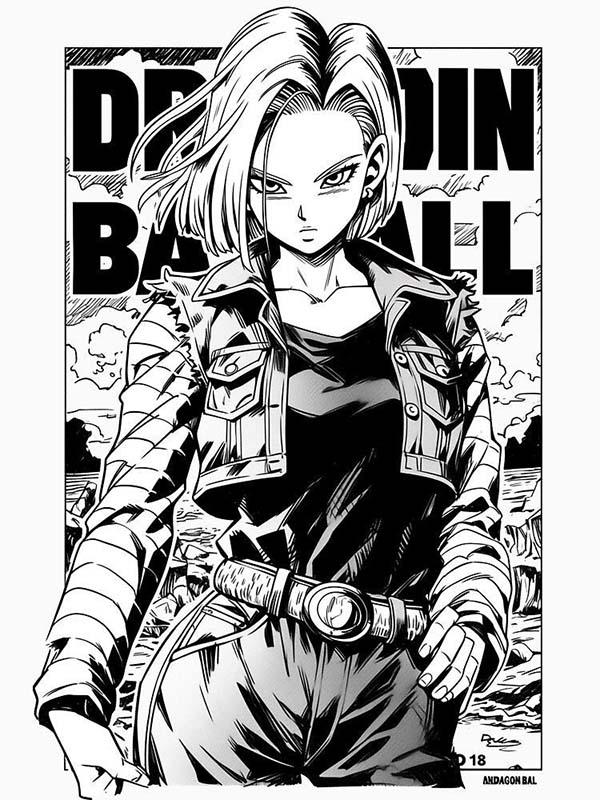
More Japanese Manga in Black and White Art Style Inspiration

Conclusion
The black and white artistic style is a defining characteristic of manga, blending historical tradition with modern practicality. Stemming from wartime resource limits, the monochrome format has survived because it allows manga artists to meet grueling weekly deadlines while keeping the medium affordable for fans. While Western comics and anime embrace the full-color In the spectrum of artistic choices, black and white remains a distinct and celebrated style in manga. The use of recycled paper and simple ink keeps production cheap, ensuring that the latest manga series may have time to color. manga series remains accessible to everyone. Ultimately, the stark contrast between black and white isn’t a limitation—it is a canvas that invites readers to focus on the raw emotion, intricate linework, and powerful storytelling that make manga a global powerhouse.
FAQs
Q: Do manga artists ever use color and how often do they include full color?
A: Yes, many manga do use color selectively. While the bulk of manga is usually black and white, creators and publishers may include color pages for premieres, special chapters, tankōbon covers, or limited editions. Full color pages are reserved for special issues because color increases the cost of production and time required, so colored manga pages are less common but still used strategically to attract readers or highlight key moments.
Q: How does the deadline pressure influence why manga is black and white?
A: Deadlines heavily influence the black-and-white format. Weekly manga and many serialized titles must deliver pages rapidly; creating art in monochrome allows manga artists like those working in weekly manga magazines to meet publish schedules. Black and white allows faster inking, easier corrections, and simpler reproduction, which reduces turnaround times compared to color comics and graphic novels that require extra steps like color flatting and color correction.
Q: Is manga is in black because of Japanese printing traditions and the history of manga?
A: Manga being in black has roots in Japanese art and the publishing industry. Historically, printing in black ink on paper was standard due to cost and available technology. Over time, black-and-white styles became entrenched as a part of the art style of manga, influenced by woodblock prints and Japanese illustrations. This history of manga shaped reader expectations and the practical economics of mass publication.
Q: How does the relationship between manga and anime affect the use of color?
A: Anime adaptations typically use full color, which can create the perception that manga should be colored too. However, anime budgets and production processes differ: anime studios allocate resources to color and motion, while manga artists focus on black and white to save on costs and emphasize line work and composition. Some readers compare manga pages to anime frames and wonder why manga does use color less often; the two mediums serve different roles in storytelling and production, with manga historically favoring black and white.
Q: Can monochrome manga convey emotions and details as well as colored comic books or graphic novels?
A: Absolutely. Monochrome manga uses variations in line weight, screentones, hatching, and layout to convey atmosphere, emotion, and motion. Black and white allows creators to emphasize contrast and pacing, which can make characters and settings feel more vivid. Many manga fans appreciate how black-and-white art can highlight storytelling techniques that color might overshadow.