


What Filipino Batok Tattoos Symbolized in Pre-Colonial Culture
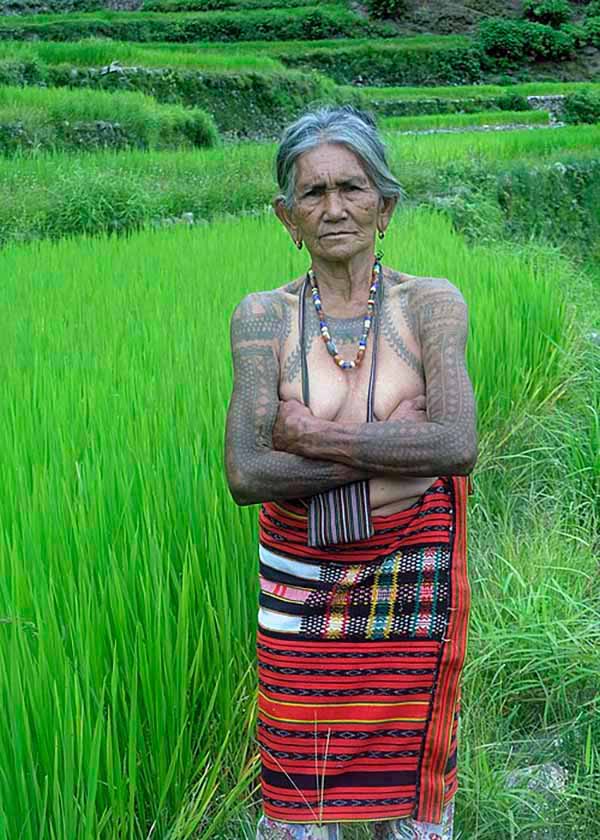
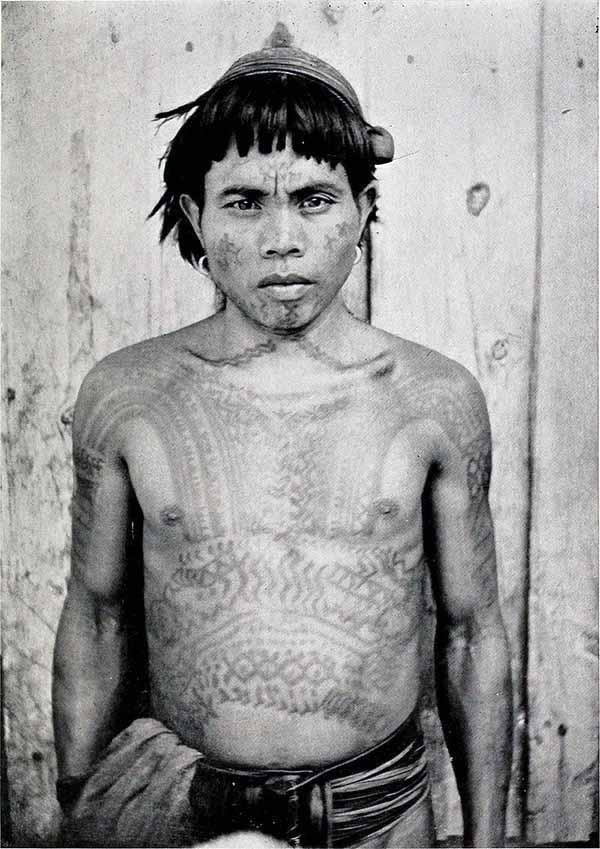
A traditional Filipino tattoo is a deeply symbolic form of art that signifies major life events and status. For men, tattoos often represented courage, achievements in battle, and nobility and bravery. For women, tattoos could signify beauty, readiness for marriage, or expertise in a craft. These weren’t abstract decorations but a visual language understood by the community. Symbols were often drawn from the natural world, reflecting a deep connection to their ancestral lands. For instance, a snake or python motif could represent a guardian spirit, while the image of an eagle, the highest-flying bird, was reserved for the most formidable warriors. The spiritual beliefs of indigenous peoples were woven into every line and dot, making the skin a living testament to one’s place in both the physical and metaphysical worlds. Each motif, from the centipede to the thorn, carries a specific meaning tied to the tribe’s cosmology, community role, and the wearer’s personal journey. It is a visual narration of a person’s life and lineage. These patterns and motifs were not chosen at random; they held specific meanings connected to the spiritual world, community status, and personal protection, often invoking the power of spirits or anito.

The Mambabatok and the Ritual: What Batok Means to Indigenous Practices
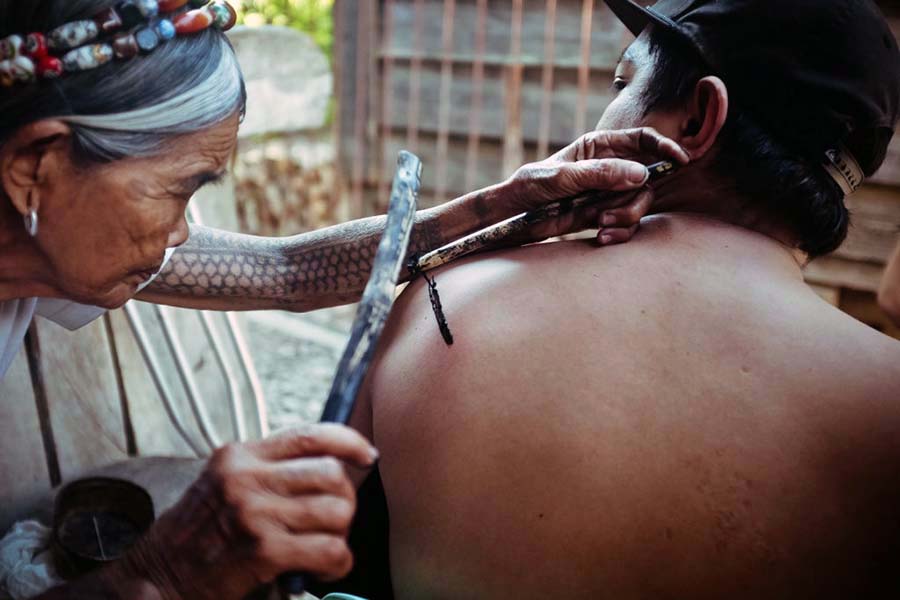
The term “batok” is a general term used in the Philippines, particularly in the Cordillera region, to refer to the ancient art of Filipino hand-tapping tattoos. It describes the entire practice, including the tools (like a bamboo stick with a thorn), the charcoal-based ink, and the ritual itself. Therefore, “batok” means more than just a tattoo; it refers to the traditional, sacred process of permanently marking the skin to signify one’s identity and connection to the tribe. The role of the mambabatok extends far beyond that of a mere artist; they are historians, spiritual guides, and respected elders. The process itself is often accompanied by chants and offerings to appease ancestral spirits, ensuring the tattoo not only looks right but also serves its intended spiritual purpose. The very act of hand-tapping is a rhythmic, meditative ritual that connects the wearer, the artist, and the spiritual world in a shared, painful, and transformative experience. This art of traditional tattooing is distinct from other Austronesian traditions and has survived centuries of change across the archipelago.
10 Raw Truths About Filipino Batok Tattoos Before You Carry Their Weight
1. Wrestle with the Specific Meanings, Not Just the Look
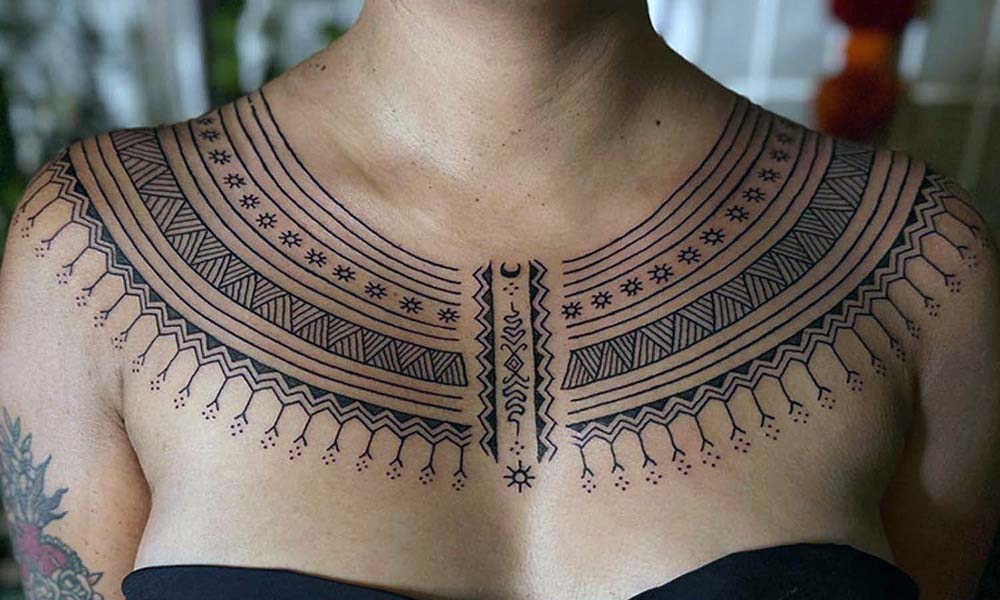
Don’t just pluck a cool motif. Traditional Filipino tattoos weren’t decor; they signified life. Headhunter tattoos (burik) proclaimed proven courage. Chest tattoos like the “Mark of the Four Waves” (Ng Apat na Alon) charted lineage across the Cordillera. Women wore intricate facial tattoos marking skill or status. Jettison the idea it’s trendy geometry. Each symbol – the centipede, thorn, or bamboo – marinated in deep meaning. For example, some designs found among the Igorot people represented rice bundles, symbolizing wealth and sustenance. Researching the specific meanings is a form of respect. The hakaw (centipede) could symbolize protection and guidance, as centipedes were believed to be liaisons to the spirit world. Choosing one lightly disrespects generations who earned theirs.

2. Grapple with the History of Colonization Behind Your Filipino Batok Tattoo
That tribal tattoo design? It sprang from cultures nearly stamped out. Colonization, starting with figures like Magellan and the conquistadors, suppressed these art forms for 400 years. This period of colonization and Islamization in the south dramatically altered the cultural landscape, leading to the Spanish calling the tattooed Visayans “Los Pintados” (The Painted Ones) before the practice faded. This suppression wasn’t just passive; it was an active campaign to demonize indigenous practices as barbaric and un-Christian. While lowland communities were assimilated, mountain tribes like the Kalinga and Ifugao resisted fiercely, allowing their traditions, including batok, to survive in their isolated ancestral lands. Tattoo traditions vanished in the Visayas and Tagalog lowlands by the late 19th century. Headhunting warriors faded; the tattoo ritual as a rite of passage nearly died. Reviving designs used by the “Painted Ones” (Isneg, Kalinga, Ifugao) means facing this erasure. Modern love can’t sugarcoat that pain.

3. Endure the Authentic Hand-Tap Tattooing Process (Or Don’t)
Forget the electric gun. Real batok means hand-tapping. A mambabatok, or traditional tattoo artist like Apo Whang-Od, whittles bamboo, lashes a thorn (siit) to it, dips it in a charcoal and water mix, and taps it into your skin. Hard. The ink itself is a simple but potent mixture of soot, often from a specific type of pine tree, and water. The mambabatok prepares it with intention. This process is a ritual, far removed from the quick transaction of a modern tattoo machine. It thuds, stings fiercely, and bleeds more. Sessions sprawl over hours or months to complete large pieces. This trounces any modern tattoo pain you know. This ain’t a spa day; it’s an endurance test rooted in tribal identity.

4. Scout a True Mambabatok or Cultural Practitioner (They’re Rare)
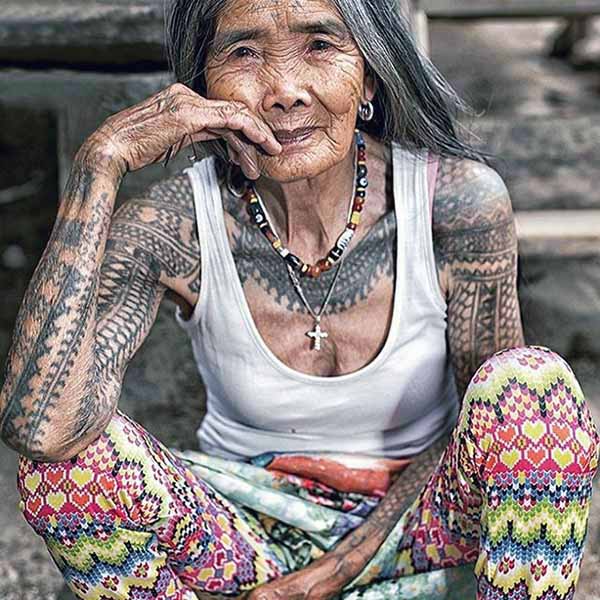
Finding someone who grasps this? Tough. Many artists just copy designs made centuries ago without fathoming the meaning behind them. Look for artists who collaborate directly with communities like the Butbut in Kalinga, or apprenticed under masters like Apo Whang-Od (Grace Palicas, Elyang Wigan). A legitimate practitioner has a lineage or has undergone a rigorous, community-approved apprenticeship. They understand which designs are earned versus which are for general protection. A true cultural tattoo practitioner understands the gravity of the ritual, unlike artists who only replicate images. Sidestep anyone who just peddles “tribal” without context.

5. Decipher the Specific Filipino Batok Tattoo Language of Each Region
Don’t muddle the symbols! Patterns vary wildly across regions and ethnolinguistic groups. Centipedes (utot) in Cordillera cultures often signify healing or protection. Mindanao patterns might feature geometric waves distinct from Kalinga’s headhunter lines. Visayan chest tattoos (patik) declared nobility and bravery. The Bontoc, for instance, had distinct tattoos for headhunters, while the Ifugao had patterns that mirrored their iconic rice terraces. Facial tattoos on women were tattooed to denote specific skills. To cobble together motifs from different groups in the Philippines, from Luzon to Mindanao, creates visual gibberish. Research the specific tribe and motif’s original meaning before it touches your skin.
6. Navigate Your Own Place in the Filipino Diaspora (If Applicable)
For folks in the Filipino diaspora, getting batok can feel powerful – reclaiming filipino heritage. But pause. Did your specific ancestors practice this? If you have Lowland Tagalog or Visayan roots, your ancestors likely lost their tattoo tradition centuries ago due to colonization. Connecting via a Kalinga design they never used? It’s complicated. This desire to connect is valid and powerful. However, it requires introspection. It’s about asking *why* you want this tattoo. Is it to honor your specific lineage or to grasp at a generalized “Filipino identity”? Acknowledge you might be adopting a tradition from a different Filipino culture that rebelled and preserved it, often found in regions of Northern Luzon. Tread thoughtfully.

7. Contend with the Cultural Gatekeeping Around Batok
Some tribe members and scholars vigilantly guard this art of tattooing. They fret about dilution, misuse, and disrespect. Getting batok, especially powerful symbols like headhunter marks, as an outsider? You might face criticism, even if your intentions seem good. Listen. Understand their fears stem from 400 years of their Filipino culture being attacked. This isn’t about being exclusionary; it’s about preservation. When a culture has been repeatedly exploited and misrepresented, its members have a right to be protective. These indigenous practices are sacred, and protecting them from appropriation is paramount for many community members. Earning genuine acceptance often requires deep relationship-building, not just paying for ink.
8. Revive Responsibly: Support the Modern Filipino Tattoo Revival Mindfully
The revival is real, but fragile. Filipinos like Apo Whang-Od (now over 100!) propelled batok back onto the world stage, this living legend inspiring a new generation. Filipino tattoo artists globally now study, adapt, and respectfully reinterpret ancient art. Groups revive tattooing practices in Cordillera villages. This resurgence is largely driven by a younger generation of Filipinos and Filipino-Americans hungry to reconnect with their roots. Social media has helped artists share their work and educate a global audience. But to sustain this? It needs artists and wearers who cherish the meaning behind, not just the aesthetic. This art of Filipino tattooing needs mindful carriers.
9. Invest Serious Time (And Pain Tolerance) For Authentic Filipino Tribal Ink
Ditch the one-hour session idea. Authentic hand-tapping is slow. A palm-sized piece might guzzle 4-6 hours. Larger chest tattoos or sleeves? Multiple grueling sessions over months. Booking a formal tattoo appointment often involves extensive consultation prior to tattooing. It demands serious commitment – physically and mentally. Healing is rougher; scarring is part of the traditional look. The healing is also different. Hand-tapped tattoos often result in raised, keloided skin, which is traditionally considered part of the tattoo’s beauty and texture. It’s a permanent mark in every sense, altering the very surface of your skin. This isn’t impulse ink; it’s a slog.

10. Weigh the Lifelong Responsibility vs. the Fleeting Aesthetic
After all this? Ask yourself honestly: Is this deep connection worth the weight, the pain, the cost, and the responsibility? Or were you just dazzled by the intricate designs? This tattoo will be a conversation starter for the rest of your life. Are you prepared to explain its history, its meaning, and your connection to it accurately and respectfully? If it’s the latter, plenty of tattoo art draws inspiration without the cultural baggage. But if you’re ready to wrestle with the history, respect the source, endure the process, and carry the meaning? Then maybe, just maybe, you’re ready. Ouch, but also… wow.

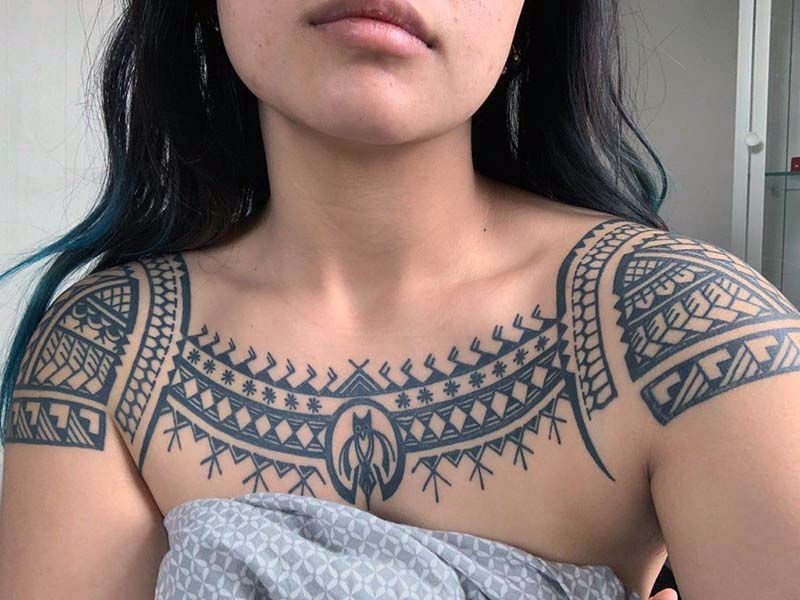
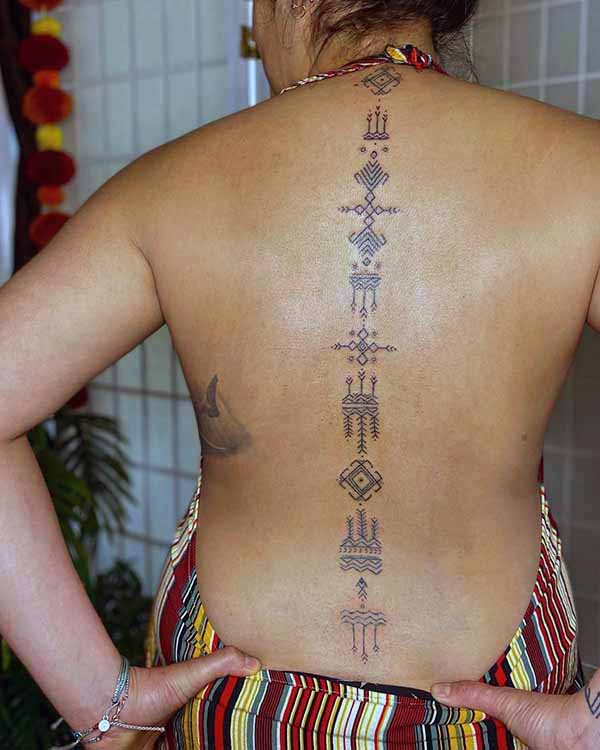
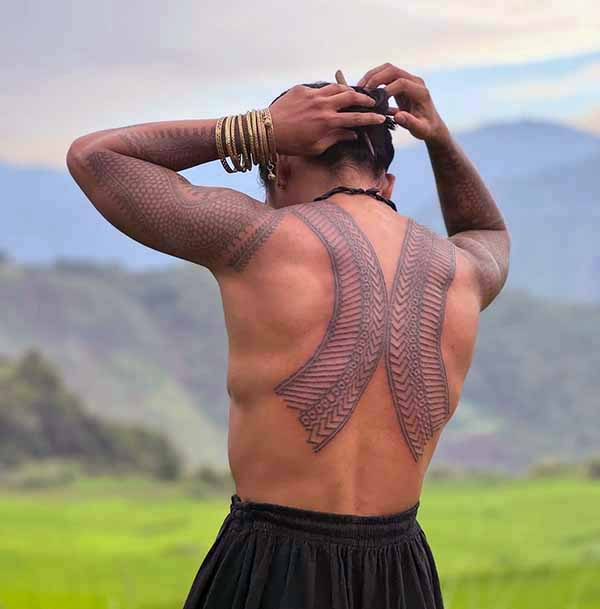
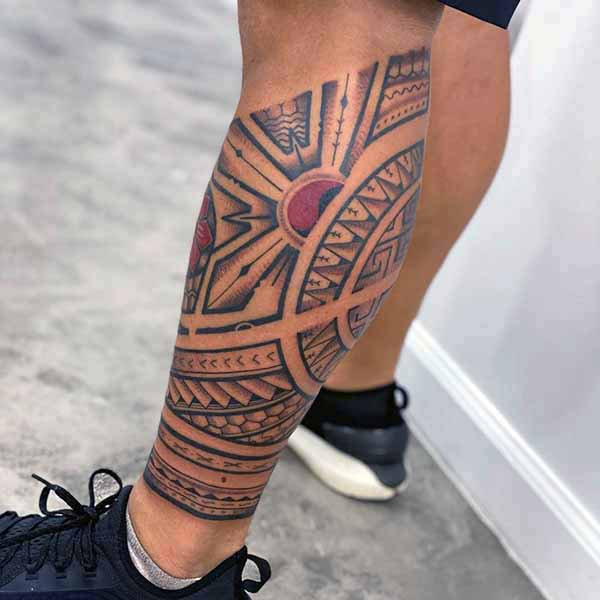
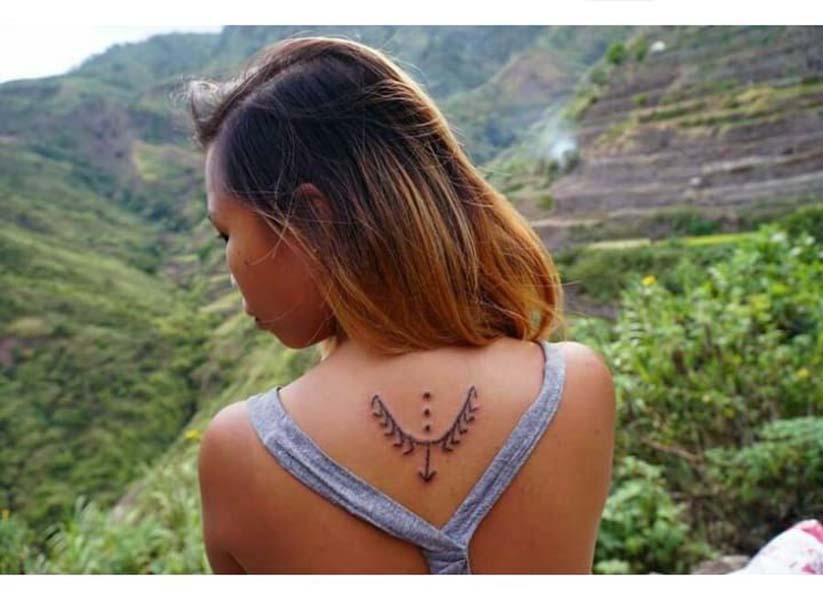
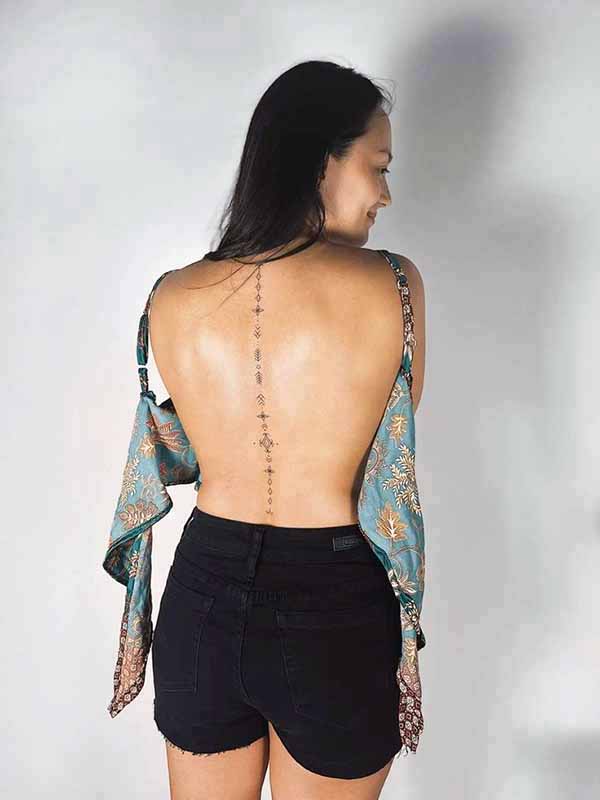
Filipino Tribal Tattoo Design And Ideas Placement Inspiration Gallery











Conclusion
Getting a Filipino batok tattoos (batok) isn’t like picking any other tattoo design. It’s heavy. It hurts. It carries centuries of struggle, pride, and near‑extinction. Don’t fetishize the look; engage with the story. Research relentlessly. Seek out truly knowledgeable artists. Respect the tribes who fought to keep it alive. If you proceed, wear it with the gravity it deserves. These ancestral Filipino batok tattoos—and other indigenous tattoos of the Philippines —are more than body art; they are a declaration of identity and a testament to the resilience of Filipino culture. This is not just about aesthetics; it is about carrying a piece of a culture’s soul on your skin. It is a commitment to become a living archive, a storyteller whose skin speaks of a heritage that refused to be silenced. The decision to be tattooed with these sacred marks should be marinated in understanding and respect for the traditions of the Philippines. It is a lifelong commitment to honoring a legacy.
FAQs
Q: What are Filipino batok tattoos?
A: Filipino batok tattoos are traditional hand-tapped tattoos that originate from various indigenous tribes in the Philippines, particularly among the Kalinga people. These tattoos are created using ancient tattooing techniques and reflect the rich cultural heritage of the Philippines.
Q: How are batok tattoos applied?
A: Batok tattoos are applied using traditional hand-tapped methods. A practitioner, often trained in the art of tattooing, uses a stick and a thorn to tap ink into the skin. This technique has been practiced for over 4,000 years and is deeply rooted in the tribal tattoo traditions of the Philippines.
Q: What do batok tattoos symbolize?
A: Batok tattoos hold significant meaning, often symbolizing bravery, status, and achievements within a community. For example, among the Kalinga, tattoos may represent victories in battle or milestones in life, such as taking a head.
Q: Are there different styles of Filipino tattoos?
A: Yes, there are various styles of Filipino tattoos, influenced by the diverse cultures within the Philippines. For instance, the Visayan ethnic groups have their unique designs, while the Cordilleran tribes are known for their intricate patterns and symbols that tell stories.
Q: What is the difference between traditional hand-tapped tattoos and machine tattoos?
A: Traditional hand-tapped tattoos are applied using manual techniques that have been passed down through generations, while machine tattoos use modern technology for application. Hand-tapped tattoos are often seen as more meaningful due to their cultural significance and the traditional ways of their creation.








Discussion about this post