Related Post
Essential Brushes and Pigments for Folk Art
Achieving the signature look of Bengali traditional painting requires specific materials. For bold black outlines, you should invest in a fine-liner brush, often called a kalam. This tool creates the expressive, consistent lines that define the entire style. Your pigment choice determines the characteristic opaque, flat color planes that anchor the composition. Use heavy-body acrylics on canvas or opaque gouache on smooth, fine-grain paper. These mediums provide necessary coverage and vibrancy without unwanted bleeding into adjacent zones. Deep reds, yellows, and blues form the primary palette for every successful attempt. You must avoid watered-down paints that create translucent washes, as traditional folk art relies on solid, flat color application. The right brush and paint combination ensure your practice focuses on form and line from the very beginning.
Selecting Traditional Bengali Motifs and Themes
Choosing a subject requires embracing symbolic simplicity over photorealism. Ideal first motifs include the fish, representing prosperity, or the lotus, a common spiritual symbol. These forms feature iconic shapes that remain forgiving for a beginner’s hand. You should avoid complex subjects requiring architectural perspective or detailed human anatomy. Focus instead on flat, two-dimensional silhouettes of deities or folk flora, which stand central to styles like Kalighat and Pattachitra. Your objective involves practicing the rhythm of line and balancing form across the canvas. This methodology concentrates on mastering the defining black outline before filling with bold, flat color. Understanding these foundational rules transforms your approach to easy bengali painting ideas into a structured workflow. The visual weight relies entirely on contrast rather than shading gradients. Following this path builds confidence before attempting larger narrative scenes.
1. Paint a Red Floral Alta Motif Pattern
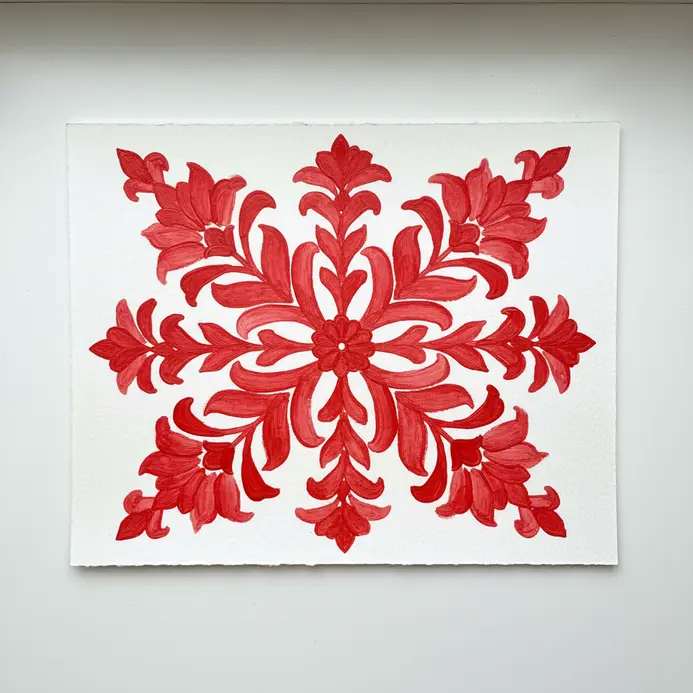
Let’s explore a design that feels like a piece of living tradition. The Red Floral Alta Motif Pattern brings the vibrant spirit of Bengali festivals directly onto your paper or canvas. The process centers on bold, flowing shapes like teardrops and petals painted in a saturated red. You require a confident hand and a preference for organic forms to execute this successfully. This pattern remains visually forgiving while maintaining deep nostalgic appeal. The foundation involves using fluid paint to mimic traditional dye consistency. You must practice the pressure-release technique on scrap paper before beginning. Press firmly to create a wide petal base, then lift your brush to produce a fine, graceful tail, akin to the flowing forms seen in Bangla illustrations. This controlled line weight variation elevates the entire piece. For more guidance on fluid mediums, explore Easy watercolor painting ideas for beginners, influenced by the serene landscapes of India and the rivers of Bengal..
2. Bold Black Outline Patachitra Fish: Striking Contrast for Beginners
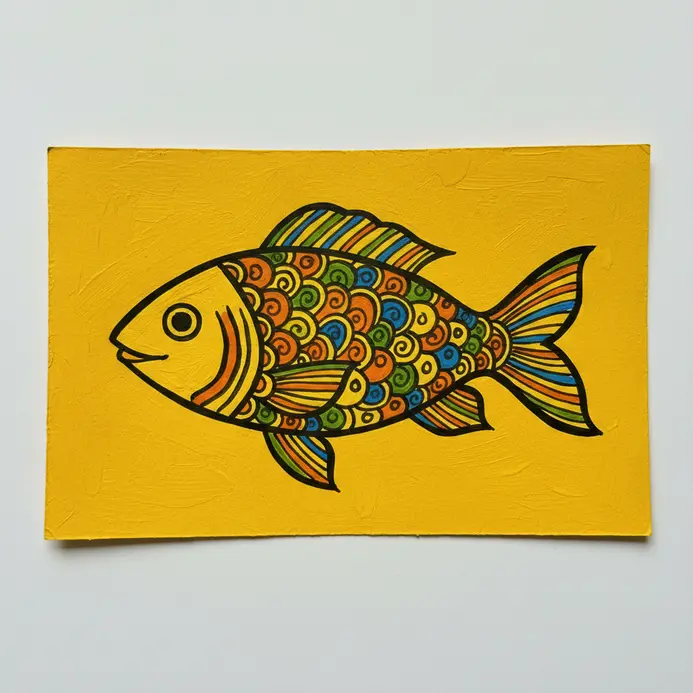
Craft a piece of folk art that feels traditional and powerfully graphic. The Patachitra fish motif serves as an excellent starting point for new artists. The charm originates from a thick, uniform black outline holding solid color blocks. You will fill a curved, stylized shape with deep red or bright yellow, then decorate it with simple white dots representing scales. The black outline performs the structural heavy lifting. Executing this style requires prioritizing graphic simplicity over anatomical precision. Your primary goal keeps color fills flat and solid throughout the process. You must avoid blending or shading techniques entirely. Applying your black outline last prevents your vibrant base layers from turning muddy. The resulting contrast masks minor mistakes while delivering a stunning finish. This approach anchors many easy bengali painting ideas for hobbyists. Explore landscape paintings to continue learning.
3. Yellow Geometric Alpana Floor Design on Textured Paper
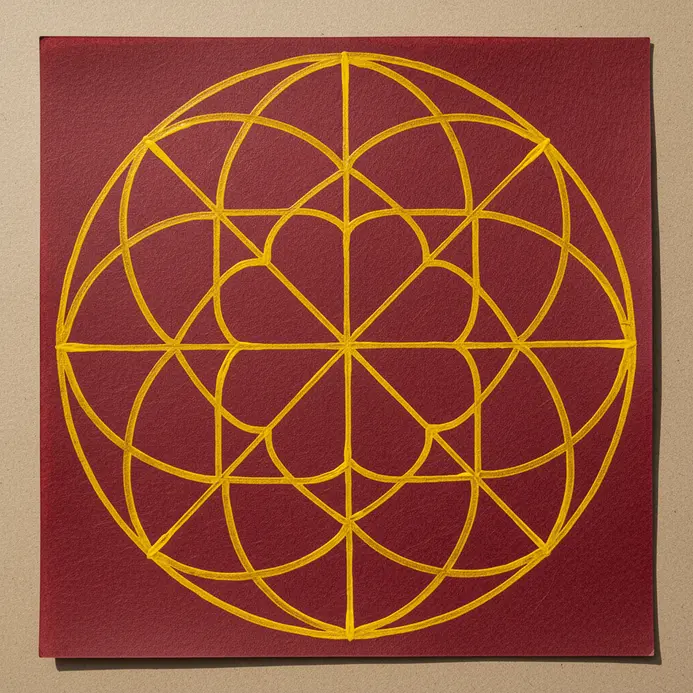
Bring sacred floor art onto textured paper for a striking wall display. You will use a vibrant yellow to paint crisp, repeating shapes like triangles and concentric circles. Cold-press watercolor paper adds a rustic feel that mimics traditional earthen surfaces. The rough texture interacts beautifully with bright acrylic applications. This project merges strict geometry with warm, organic color application. Testing paint consistency on a scrap sheet remains essential before starting your primary piece. The pigment must remain opaque enough to cover paper grain while staying fluid enough for sharp boundaries. Adjusting your mixture guarantees clean lines and uniform coverage. This methodology strengthens your foundation when tackling broader geometric arrangements. Explore landscape paintings to continue learning.
4. Create a Stylized Folk Art Clay Mask
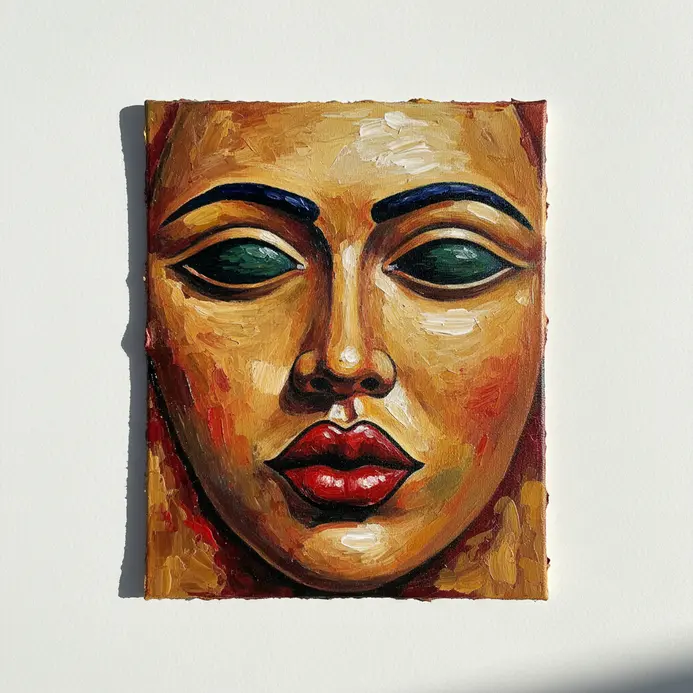
Bring theatrical tradition into your workspace with a sculptural project that emphasizes play. This mask draws inspiration from bold, dramatic faces in Bengali folk performances, featuring exaggerated features you mold to your vision. You build the canvas first using air-dry clay, then bring it to life with high-contrast pigments like ochre, red, and black. The stylized nature removes strict anatomical constraints. Aim for consistent clay thickness of approximately a quarter inch to prevent cracking during curing. Always allow the material to dry completely before applying paint layers. The final decorative piece carries traditional spirit alongside your personal touch. Exploring additional sculptable mediums expands your creative range effectively. Consider reviewing pottery painting ideas for beginners for complementary surface techniques.
5. Why Choose a Simple Indigo Floral Border Design?
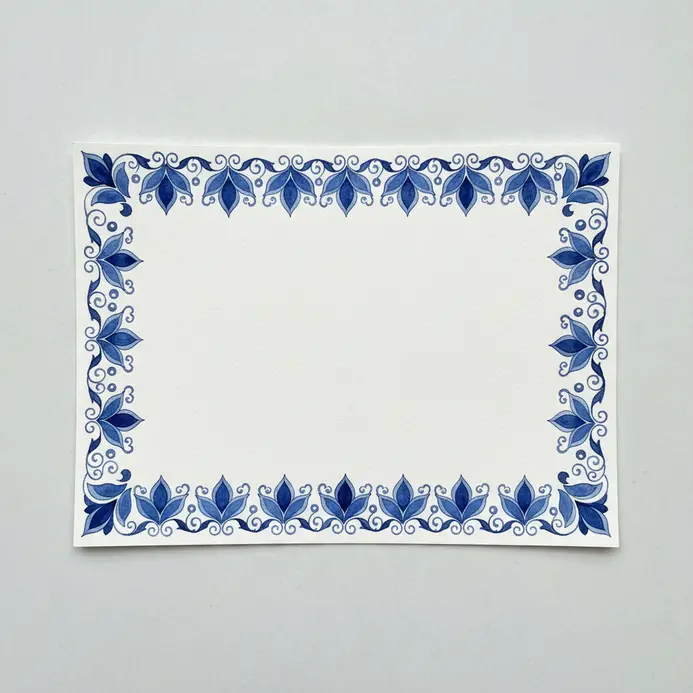
A deep blue floral frame delivers instant elegance to any composition. This design relies on clean, repeating patterns of single-petaled flowers or vines in a classic indigo hue. Traditional Alpona folk art inspires the structure, creating authenticity without complex shading requirements. The layout provides clear boundaries for beginners to follow. High contrast between indigo pigment and a light background produces a professional appearance through simple strokes. Breaking the surface into manageable border segments builds confidence gradually. Maintaining consistent brush pressure throughout the perimeter ensures visual harmony. Mastering this repetitive rhythm prepares you for advanced framing exercises. Many easy bengali painting ideas begin with simple border practice. Explore landscape paintings to continue learning.
6. Traditional Terracotta Temple Relief Painting: Texture Without the Clay
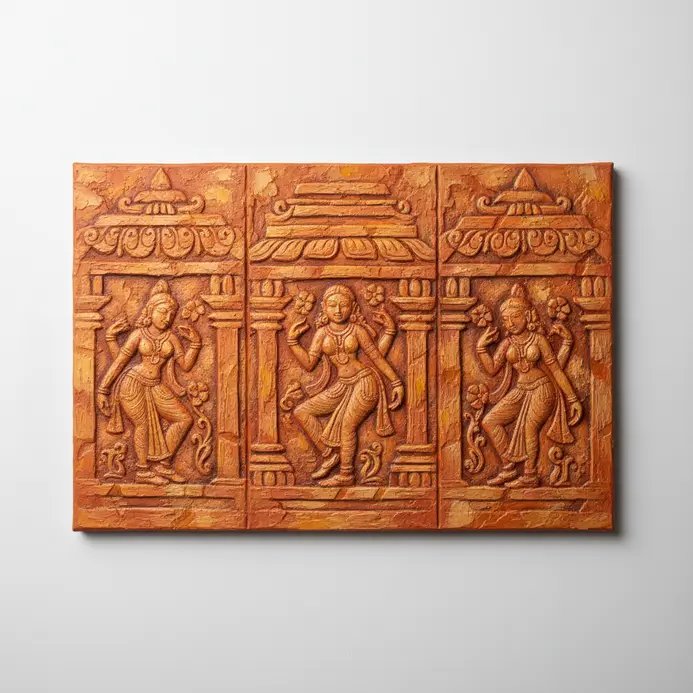
Capture ancient temple wall aesthetics without operating a kiln. This technique replicates hand-carved terracotta texture using accessible art supplies, inspired by traditional Bengali art. You create a raised, three-dimensional design using modeling paste, then apply deep, earthy tones across the relief. The final dark wash settles into textured grooves, producing an aged appearance instantly. Physical ridges capture light effectively, mirroring authentic terracotta behavior. Using a plastic piping bag dispenses paste for consistent lines that mimic carved impressions. This mixed-media approach bridges historical aesthetics with modern materials. Exploring similar tactile methods expands your creative toolkit significantly. Review these collage paintings on canvas for additional mixed-media inspiration.
7. Paint a Minimalist Lotus Petal Abstract Study
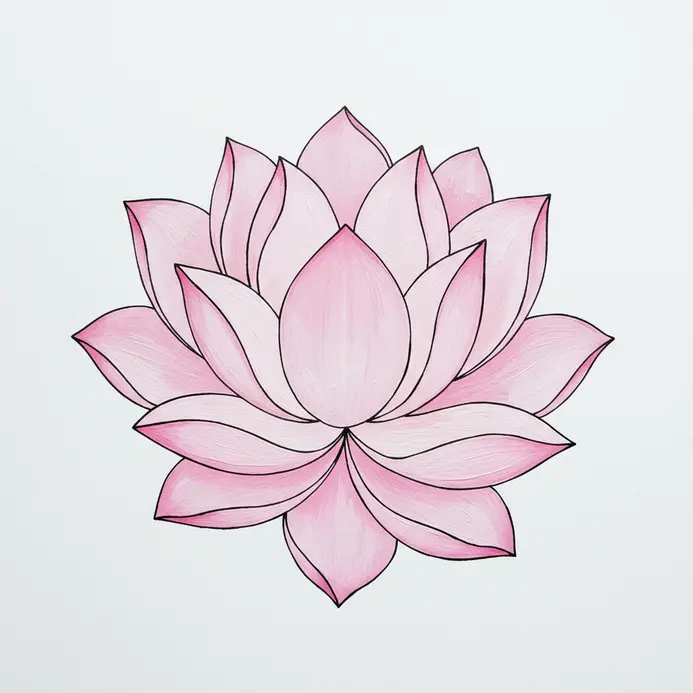
Capture the serene essence of the lotus through a single elegant stroke. This study reduces the flower to an oversized petal executed with a fluid brush sweep. Applying soft pinks or deep carmine on textured paper allows the shape to breathe within ample negative space. The composition values spontaneous gesture over meticulous detailing. This exercise reflects the Bengali concept of Sahaj, emphasizing natural simplicity. Avoid overworking the primary stroke once it touches the canvas surface. You must practice the load and drag technique on scrap sheets to guarantee smooth execution. Developing this muscle memory transforms your brushwork into confident, flowing lines. Explore landscape paintings to continue learning.
8. Handpainted Clay Pot Mango Motif on Canvas
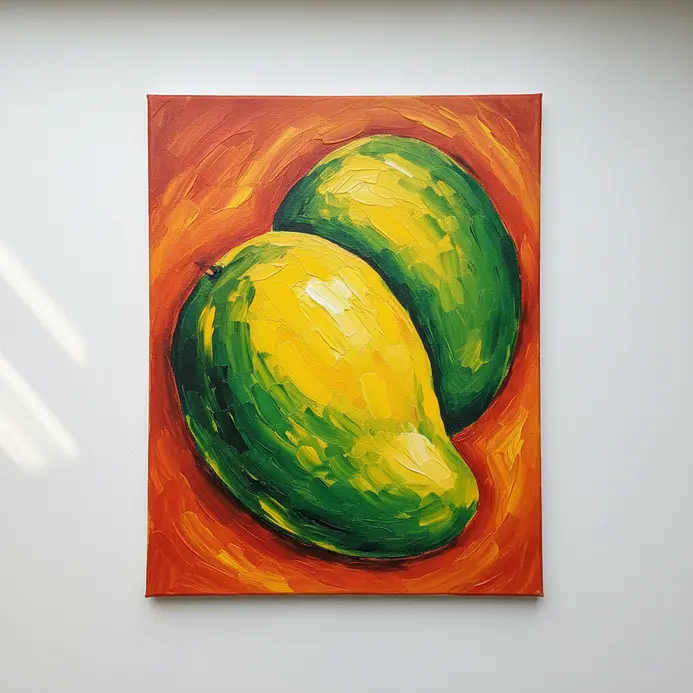
Translate rustic clay pot art onto canvas using vibrant pigments. This project adapts the iconic, bulbous Bengali mango shape into a stylized canvas centerpiece. Applying bold color fields alongside essential black outlines defines the motif against the background earth tones. The single focal point simplifies the learning curve substantially. Translating cultural symbols to canvas creates a striking statement piece. The simplified form remains an excellent representation of traditional Bengali art. easy bengali painting ideas candidate for brush control practice. Forgetting realistic shading allows folk art whimsy to drive the composition. Decorating with rhythmic dots and interior patterns completes the traditional aesthetic effectively. Explore landscape paintings to continue learning.
9. Detailed Rice Paste Alpana Mandala: Symmetry Made Simple
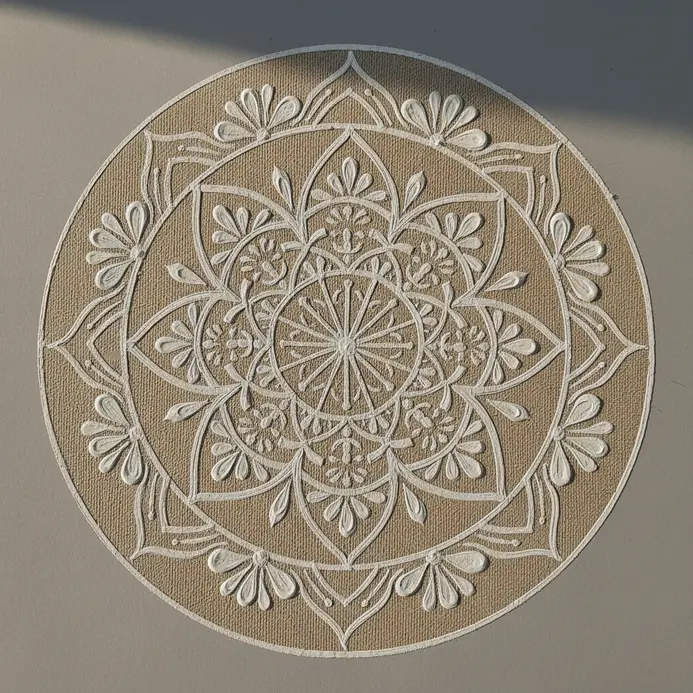
Transform freehand uncertainty into a structured, calming ritual. Begin by drawing light concentric circles and dividing them into equal sections using a compass or string. This underlying grid acts as an invisible guide, ensuring every paisley shape mirrors its opposite perfectly. The symmetrical result produces an ancient, meditative pattern across the canvas. Built-in structural guides eliminate guesswork for subsequent line placement. Combining deep cultural roots with repetitive pattern making yields professional-looking mandalas. Mixing rice paste simulation acrylics adds authentic texture to the surface. Foundational symmetry drills prepare artists for larger narrative compositions, drawing from the rich heritage of Bengali art ideas. Review essential watercolor painting techniques to refine your underlying control.
10. What Makes the Vivid Red and Yellow Peacock Ideal for Beginners?
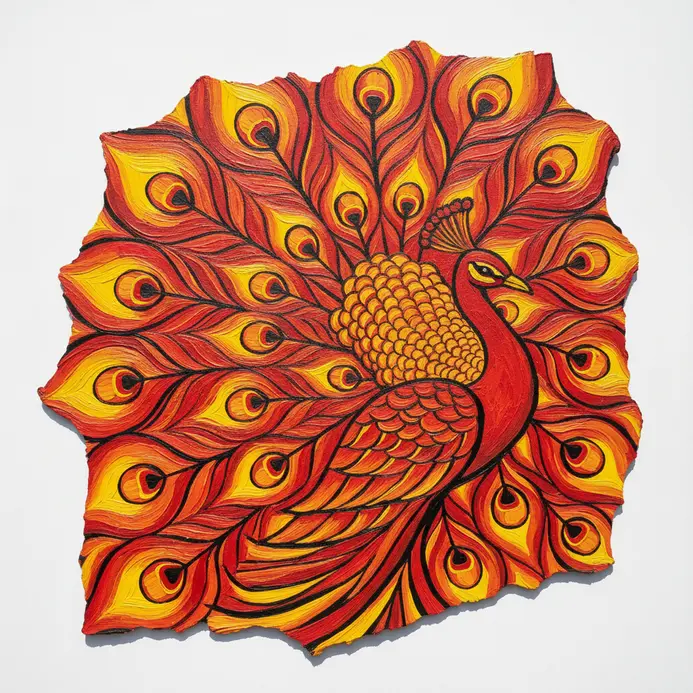
A two-color palette delivers satisfying visual impact for new painters. This folk art peacock relies on bold, flat shapes arranged within a strict red and yellow scheme. You construct a graceful curved neck before expanding into a fan-shaped tail filled with repeating eye motifs. The abstract nature reduces anxiety regarding anatomical precision. High contrast ensures the canvas commands immediate attention. Focusing on symmetry in the tail fan guarantees proportional balance before detailing begins. Maintaining separation between color blocks requires patience between layers. Allowing each coat to cure prevents unwanted blending. This structured layering approach defines many successful easy bengali painting ideas executed by hobbyists in the vibrant style of Indian art. Explore landscape paintings to continue learning.
11. Paint a Folk Style Drumming Figure Silhouette
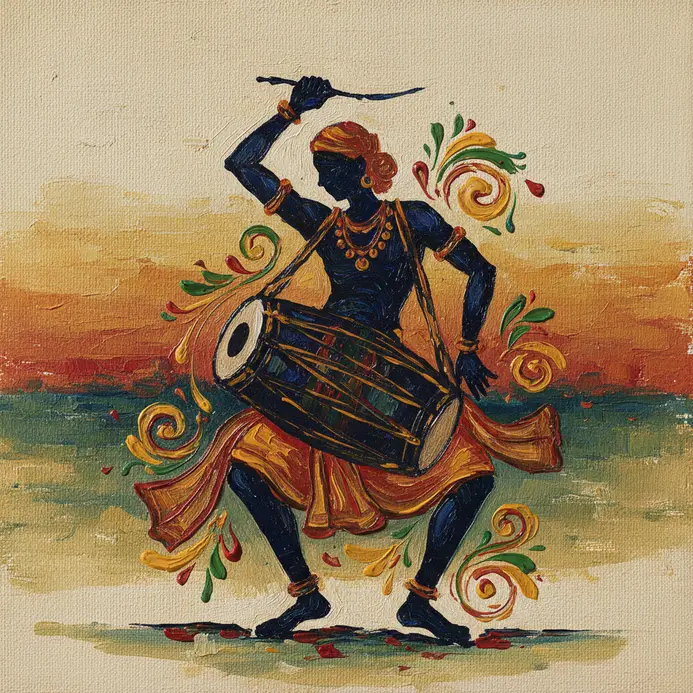
Capture rhythm and motion through bold, graphic silhouettes. You will paint a solid black figure playing a traditional drum against a bright, contrasting backdrop. Exaggerated, bulbous limb shapes convey performance energy drawn directly from Patua and Kalighat traditions. Stripping away details emphasizes celebratory gestures, reminiscent of the expressive nature of Bengali art. This minimalist approach produces striking wall art rooted in cultural history. Using a medium-sized flat brush fills large shapes efficiently while maintaining sharp edges. Cutting into corners with the brush side refines the outer boundary. Practicing silhouette reduction strengthens your compositional eye. Explore black and white painting ideas for additional monochromatic inspiration.
12. Decorative Mango Leaf Wall Panel Art
Translate seasonal foliage into permanent decorative wall panels. Painting elongated leaf shapes on wood or heavy cardboard requires vibrant green acrylics for authentic presence. Adding delicate white line work and dot patterns mimics traditional floor art celebrations. The finished panel conveys profound cultural symbolism of welcome. This flexible project replaces perishable materials with durable artwork. Starting with a white primer base coat prevents bleeding and intensifies surface vibrancy. Ensuring adequate drying time between color applications maintains crisp detailing. Applying clear protective coatings extends the lifespan of indoor displays. Many traditional motifs transition smoothly into modern interior decor. Explore landscape paintings to continue learning.
13. Stylized Tree of Life Painting: Bold Symbolism With Basic Shapes
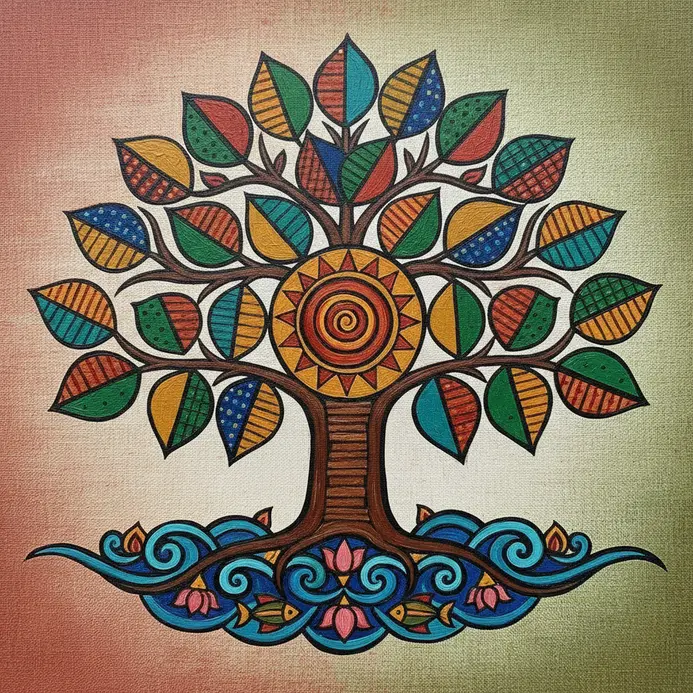
Construct powerful symbols using only circles, triangles, and deliberate lines. This folk-inspired approach strips botanical realism down to its essential visual language. You place a central trunk before extending rhythmic, symmetrical branches outward. Adding simple geometric shapes for fruit and foliage creates striking visual rhythm without demanding perspective skills. Ditching photorealism prioritizes clear design and balanced spacing. Outlining shapes with a black fine-liner pen guarantees crisp, intentional boundaries throughout the composition. Maintaining minimal leaf counts prevents visual overcrowding. Clean geometric repetition anchors the piece firmly in contemporary folk traditions. Explore landscape paintings to continue learning.
14. Create a Geometric Saree Border Pattern Art
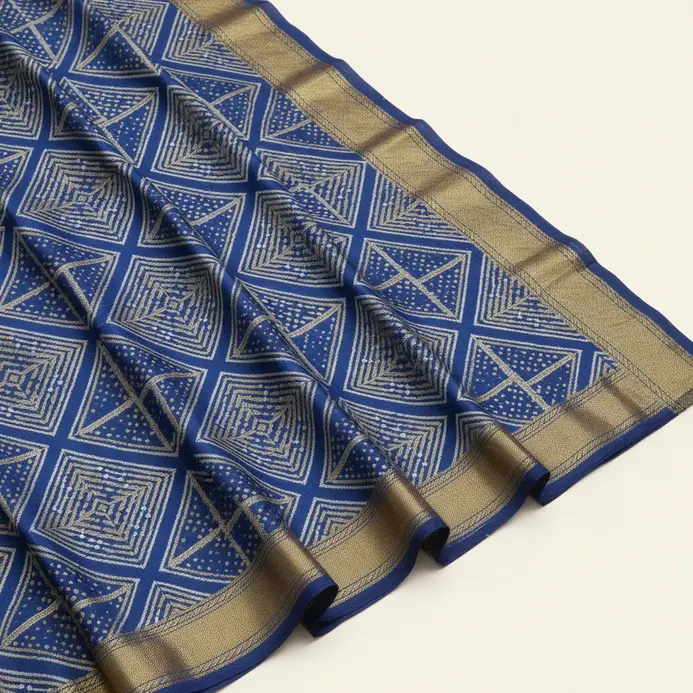
Transform architectural temple lines into wearable design aesthetics. Mapping structured triangles and chevrons creates a rhythmic visual band across the canvas. Light pencil grid placement ensures precise alignment before applying fabric paints, similar to techniques used in Indian illustration. High-contrast layering brings traditional Kantha influences directly onto modern surfaces. Repeating simple motifs reduces execution pressure while maintaining visual complexity. Placing cardboard beneath work surfaces prevents unwanted bleed-through during layering. Structured pattern practice strengthens hand-eye coordination for future textile applications. If you enjoy geometric repetition, reviewing Easy wall painting designs inspired by the vibrant colors of Bengali art. expands your layout vocabulary significantly.
15. Why Choose Single Line Style Floral Swirls for Your Next Canvas?
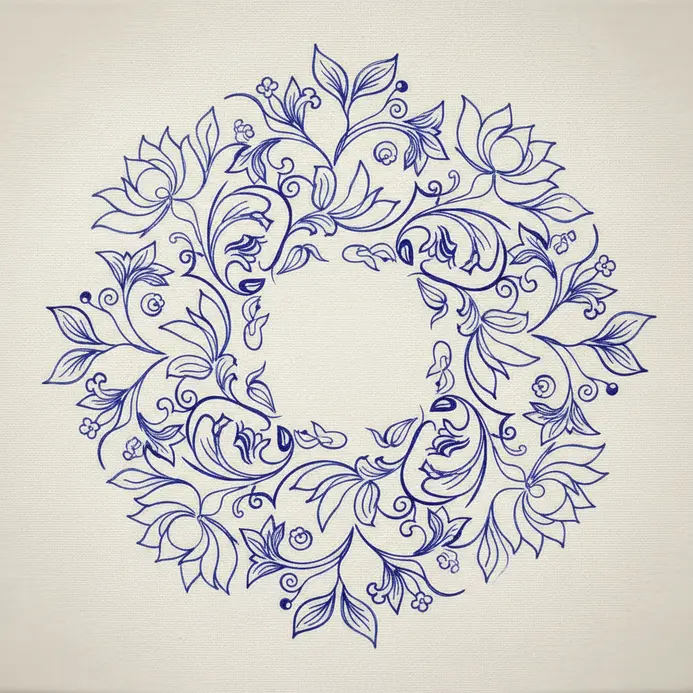
Selecting an easy bengali painting ideas approach that emphasizes accessible execution guarantees steady progress. Single-line floral swirls require continuous, unbroken strokes to form complete blossoms. Guiding your brush through controlled curves generates rhythm that feels genuinely therapeutic. Prioritizing flow over detailed realism reduces beginner intimidation factors. Mindful movement produces elegant results across varied canvas sizes. Using a high-quality brush maintains clean edges during extended strokes. Light preliminary sketching establishes pathway boundaries before committing pigment. Embracing natural asymmetry generates authentic vine-like movement. This method bridges traditional Indian techniques with contemporary practices in studio Joyeeta. Alpana patterns with contemporary minimalist aesthetics effectively. Explore landscape paintings to continue learning.
16. Ochre Yellow Goddess Eye Motif Technique Details
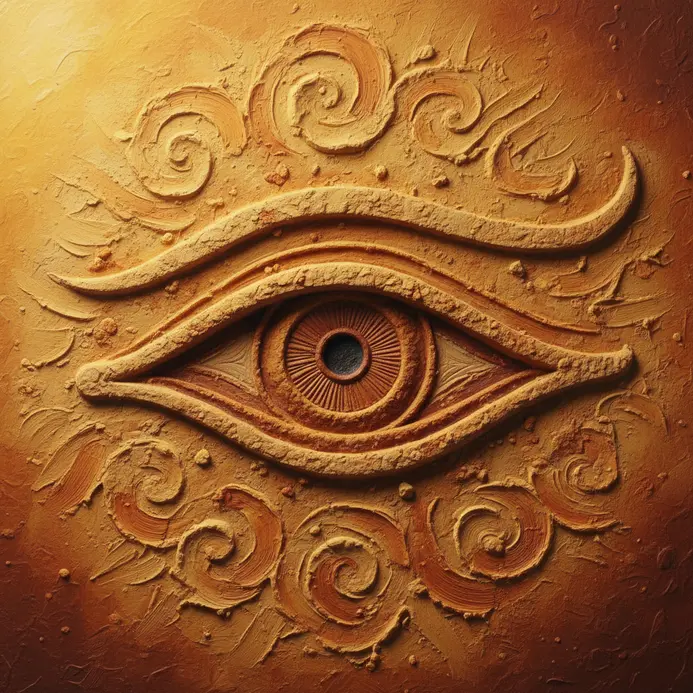
Capture iconic divine stares using a restrained, two-color application. Painting an elongated, almond-shaped eye with sharp outer corners requires precision and warm undertones. Deep black pigments create stark contrast against the earthy background foundation. The dramatic focal point anchors the entire composition instantly. Practicing the fluid flick on scrap sheets guarantees smooth transitions from thick centers to hairline tails. Allowing your ochre yellow base to cure completely prevents black pigment contamination during outlining. Mastering this confident stroke elevates your technical foundation rapidly. This timeless symbol remains a cornerstone within traditional regional art practices.
17. Paint a Black and White Folk Bird
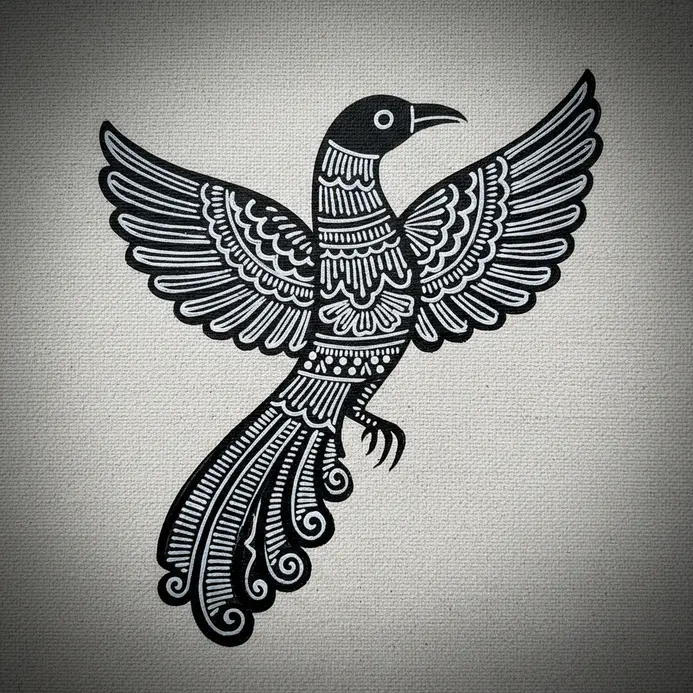
Remove color complexity to focus entirely on graphic punch. Stylized bird designs inspire bold shapes alongside repetitive decorative patterns. A plump silhouette accepts detailed zoning effectively without overwhelming the composition. You will use a fine detail brush or black gel pen to outline primary sections. Filling segmented areas with dots, zigzags, or linear textures builds rhythmic density. Stark monochrome contrasts force careful composition planning. Maintaining intentional empty white spaces prevents visual clutter from dominating the canvas. This restraint highlights applied patterns while giving the viewer resting points. Monochromatic studies strengthen your foundational line work considerably. Explore landscape paintings to continue learning.
18. Abstract Conch Shell Line Art: Clean Lines for Visual Impact
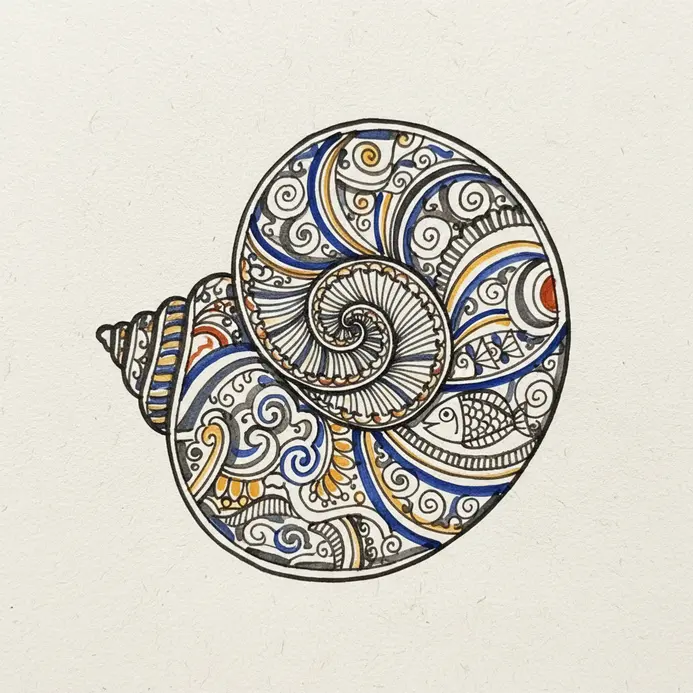
Reduce cultural icons to their most elegant, graphic essence. This minimalist approach highlights architectural curves through continuous, uninterrupted lines. Removing decorative distractions focuses attention entirely on mathematical spiral progression. The streamlined result supports sophisticated modern home environments effectively. Practicing main spiral motions on tracing paper develops necessary hand control. Committing to ink requires confidence and measured breath pacing. Allowing generous negative space around primary strokes maintains visual balance. Avoiding overcrowding preserves the composition’s breathing room. Fluid execution exercises strengthen overall brush discipline. Explore landscape paintings to continue learning.
19. Traditional Pithu Face Mask Design Layouts
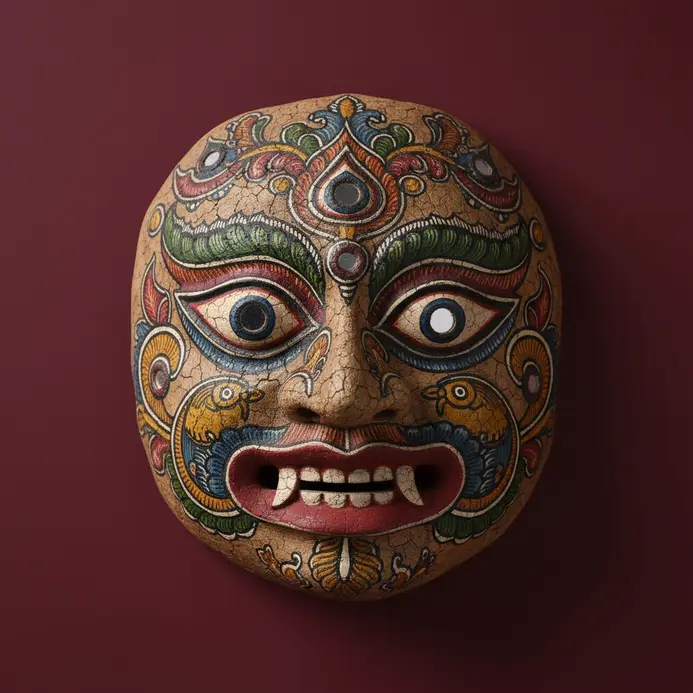
Create tactile folk art pieces using soft, white carving material. Starting with carved face blocks allows feature exaggeration through added thin slivers, a technique often seen in Bangla art. Arched brows and prominent lips gain three-dimensional presence through layered assembly. The resulting structure provides a unique painting surface. Applying vibrant ceremonial colors creates stunning contrast against natural white bases. This visual separation enhances readability for performance audiences. Scoring preliminary guides with a fine needle guarantees precise paint placement. Direct physical engagement with materials deepens cultural connection substantially.
20. Layer a Red Clay Pot Geometric Ring
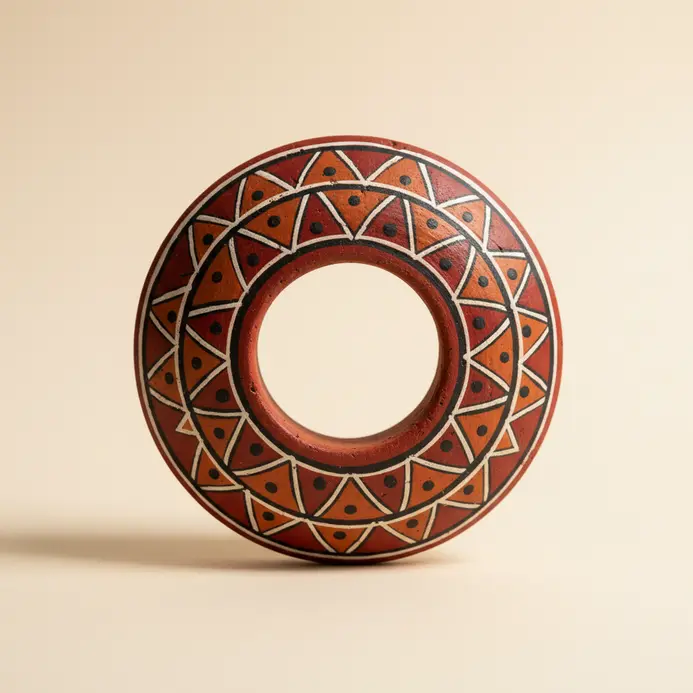
Combine precise geometry with natural clay aesthetics for striking home pieces. Wrapping terracotta vessels with crisp, horizontal bands establishes rhythmic visual order. Applying bold zigzags, tidy triangles, or rhythmic dots creates continuous perimeter decoration. Warm red surfaces amplify bright geometric applications significantly. Porous clay textures absorb acrylic applications naturally. Using heavy body acrylic paint prevents unwanted material bleeding along rough edges. Applying matte sealers preserves intricate detailing against environmental wear. Wrapping paper around vessels before drawing guidelines ensures perfectly straight band placement. Structured layering transforms everyday objects into display-worthy centerpieces. Mastering cylindrical surfaces expands your easy bengali painting ideas portfolio considerably.
21. What Makes Simplified Folk Elephant Shape Art Stand Out?
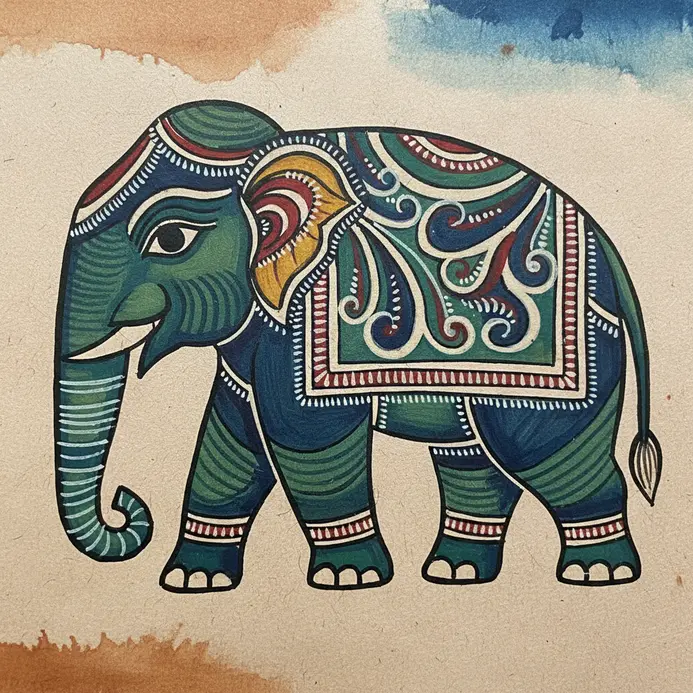
Captivate viewers instantly using bold, simplified animal shapes. Geometric forms distill heavy anatomy into large ovals and sweeping trunk curves. Adorning the surface with rhythmic floral dots and zig-zags applies decorative weight uniformly. Confident black lines anchor the shora style effectively. Replacing realism with stylized symmetry generates balanced graphic icons. Acrylic application on paper or canvas remains accessible across experience levels. Applying a high-contrast decorative blanket separates primary forms from patterned surfaces immediately. Symbolic motifs communicate cultural narratives while maintaining striking visual balance. This combination establishes foundational success within accessible artistic workflows. Exploring these easy canvas painting ideas for kids provides additional geometric practice.
22. Stylized Betel Leaf Pattern Motif: Bright Greens for Contrast
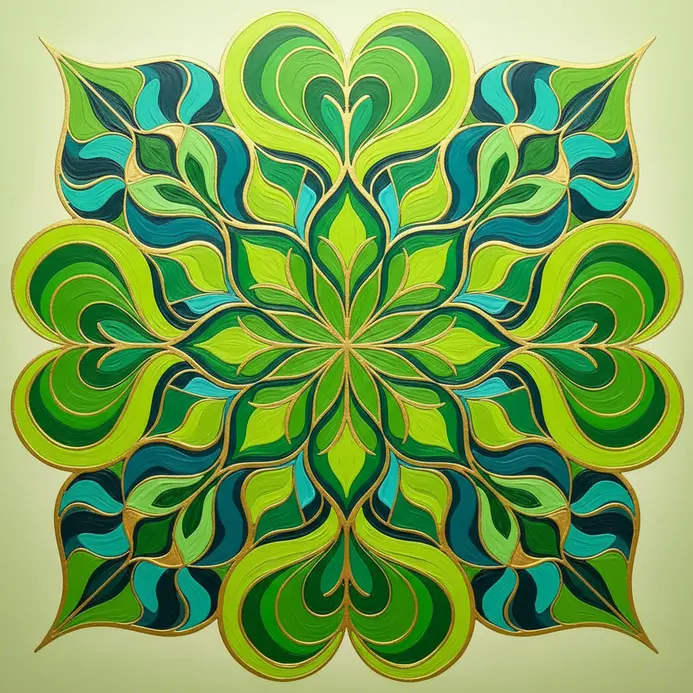
Establish comfort through recognizable, heart-shaped botanical patterns. Simplifying familiar foliage into clean, repeating sequences generates modern visual impact. Applying vibrant lime green against neutral backdrops increases surface vibrancy immediately. High contrast ratios guarantee striking presence across varied display locations. Selecting high-pigment green bases prevents dull washing during layering. Mixing trace cadmium yellow maintains brightness without introducing chalky opacity. Preserving lush saturation ensures leaves retain organic vitality on finished panels. Bridging historical floor patterns with contemporary arrangements yields fresh decorative results. Integrating bright botanical elements strengthens your overall color application confidence significantly. Explore landscape paintings to continue learning.
23. Blend a Blue and White Scroll Art
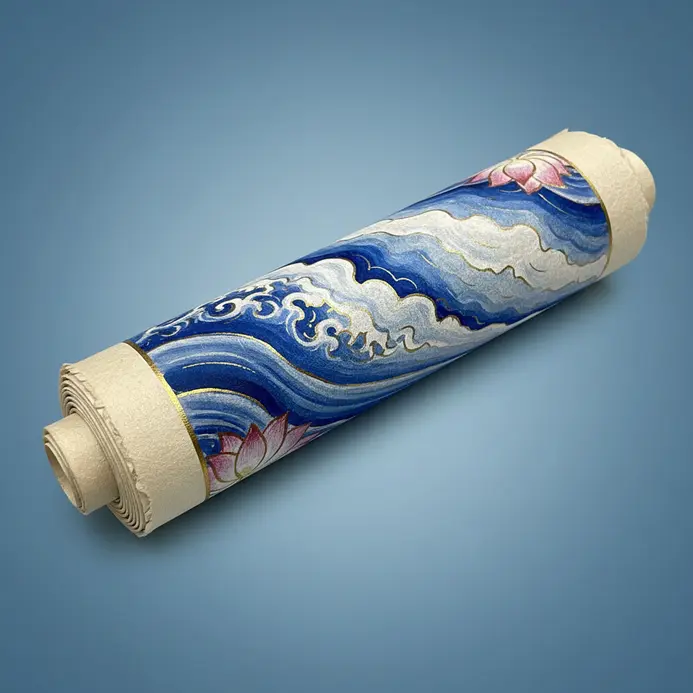
Generate sophisticated visual effects through strict two-color limitations. Adapting traditional storytelling styles eliminates palette distractions completely. Executing intricate line-work in ocean blue shades against pristine backgrounds amplifies fine details instantly. The monochrome scheme forces narrative clarity. Starting with faint pencil sketches establishes structural boundaries before committing permanent pigment. Using a fine-tip synthetic brush maintains consistent stroke width across extended passages. Restricting color choices strengthens compositional discipline effectively. Clean linework execution defines the historical scroll aesthetic reliably. Explore landscape paintings to continue learning.
24. Decorative Alpona Style Corner Piece Interpretations
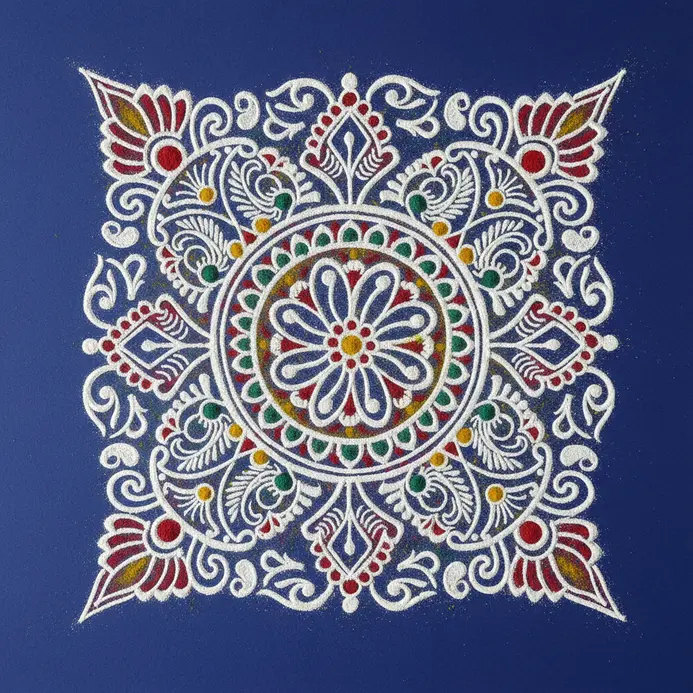
Frame existing surfaces without requiring full-canvas coverage. Radiating Kalka motifs and delicate guiding lines establish elegant corner architecture. Traditional geometry adapts seamlessly to modern canvas dimensions effectively. Starting applications at the corner prevents wet-pigment smudging during outward expansion. Working from fixed boundaries inward establishes controlled progression rhythm. Following natural edge lines maintains perfect proportional balance. Practicing corner layouts builds transferable skills for broader framing applications. If detailed linework appeals to your creative process, exploring ink painting for creative ideas expands your technical repertoire substantially. These methods reinforce spatial awareness across varied compositions.
25. Paint a Vibrant Folk Sun Motif Graphic
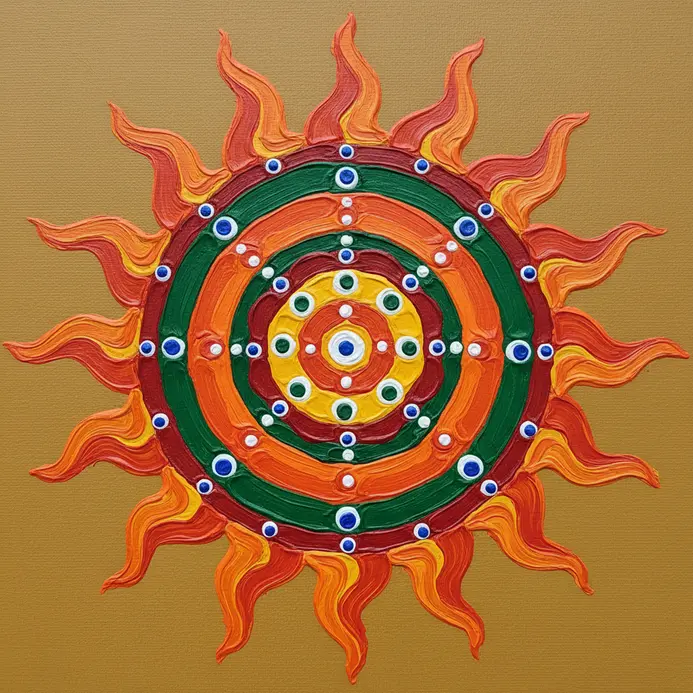
Radiate immediate joy using bold geometric centers and bright surrounding rays. Placing stylized facial features at the core establishes friendly focal presence immediately. Surrounding triangular arrangements resemble decorative leaves or active flame tips, echoing motifs found in Indian art. Applying deep reds alongside sunny yellows creates explosive energy across flat surfaces. Simple circle and triangle construction generates complex visual appearances effortlessly, reminiscent of Indian illustration styles. Decorative interior patterns elevate basic ray shapes significantly. Reserving final black outlining steps guarantees crisp boundary definition across all layered elements. This sequential approach transforms basic forms into professional-grade graphic statements consistently. Exploring additional easy bengali painting ideas reinforces foundational pattern development across diverse formats. Explore landscape paintings to continue learning.
Methods for Sealing and Framing Finished Works
Protecting completed surfaces preserves vibrant color integrity over extended periods. Applying two thin coats of water-based matte varnish seals acrylic canvas surfaces effectively. Using soft brushes prevents streaking while maintaining uniform coverage throughout. Allowing full curing between layers prevents surface cloudiness permanently. To preserve gouache artworks effectively, a structured archival approach is essential. Fixative sprays stabilize the water-soluble pigments, while proper framing techniques — using mat board spacing and glass protection — prevent moisture buildup and direct contact. These measures, combined with UV shielding, ensure that pieces such as regional works or even easy Bengali painting ideas retain their vibrancy for decades.
Conclusion
Wrapping up this collection demonstrates successful traditional art adaptation using everyday materials. You now possess a comprehensive portfolio of easy bengali painting ideas that eliminate complex medium frustrations. Relying on familiar acrylics and sturdy paper substrates keeps focus squarely on visual impact. Transitioning from simple geometry to narrative silhouettes builds technical confidence naturally. Applying bold pigments alongside clean boundaries generates satisfying creative sessions across all skill levels. Mastering rhythmic lines and sharp contrasts establishes strong regional stylistic presence. Selecting your preferred technique and preparing materials initiates immediate creative progress today.
FAQs
Q: What are some easy Bengali painting ideas for beginners that still feel original?
A: Many beginners can create original Bengali-themed paintings by focusing on simple motifs like lotus flowers, tribal boats, alpana patterns, and stylized fish. Use basic shapes and a limited color palette to keep designs manageable while adding personal touches—like unique color combinations or a contemporary twist on traditional alpana—to make each piece feel fresh and original.
Q: Can I use water-based paints for easy Bengali painting ideas, and which types work best?
A: Yes, water-based paints such as acrylics thinned with water, watercolor, and gouache are excellent for easy Bengali painting ideas. Watercolors provide delicate washes suitable for floral and river scenes, while acrylics offer vibrant color and quicker drying times—ideal for adding bold elements like a red background or crisp alpana lines.
Q: How do I create a simple Bengali wedding-themed painting for a marriage celebration?
A: For a marriage-themed Bengali painting, choose auspicious symbols like the vermilion sindoor, conch shells, betel leaves, and stylized bride-and-groom silhouettes. Use warm colors—deep reds, golds, and oranges—and consider a red background to convey festivity. Keep compositions uncluttered with focal motifs to make the painting easy yet meaningful for the marriage occasion.
Q: What are some easy compositions that look good on Instagram when sharing Bengali paintings?
A: To make your Bengali paintings Instagram-ready, use square or vertical formats, strong central motifs, and clean backgrounds. A red background or bold borders can make images pop in the feed. Good lighting, minimal props, and a consistent color theme across posts help build an appealing Instagram gallery for your Bengali art.
Q: How can I adapt traditional alpana designs for a modern, easy painting style suitable for Pinterest sharing?
A: Simplify traditional alpana into repeating geometric shapes or single-line motifs and use a limited color palette with high contrast to suit modern aesthetics. Create step-by-step visuals and flat-lay photos to share on Pinterest; adding a red background or gold accents can make pins stand out and attract more repins.